

Table of Contents
- What Makes Artisan Matcha Different from Standard Green Tea
- The Antioxidant Power of Artisan Matcha Tea Benefits
- How to Prepare Ceremonial Grade Matcha for Maximum Benefits
- Matcha Tea Caffeine vs Coffee: Sustained Energy Without the Crash
- Best Time of Day to Drink Matcha for Energy
- Heart Health, Metabolic Rate, and Liver Protection
- Sourcing, Quality Grading, and Ethical Sourcing
- Safety, Contraindications, and When to Avoid Matcha
- Frequently Asked Questions
Last Updated: October 4, 2026
What Makes Artisan Matcha Different from Standard Green Tea
Artisan matcha tea benefits stem from a fundamentally different production process: shade-grown, stone-ground into fine powder, and consumed entirely rather than steeped. You ingest the whole leaf instead of extracting compounds through water.
Shade-growing triggers a physiological response: restricted sunlight increases chlorophyll and amino acid production as a survival mechanism. The result is a vibrant jade-green powder with a distinctly different nutrient profile than sun-grown green teas.
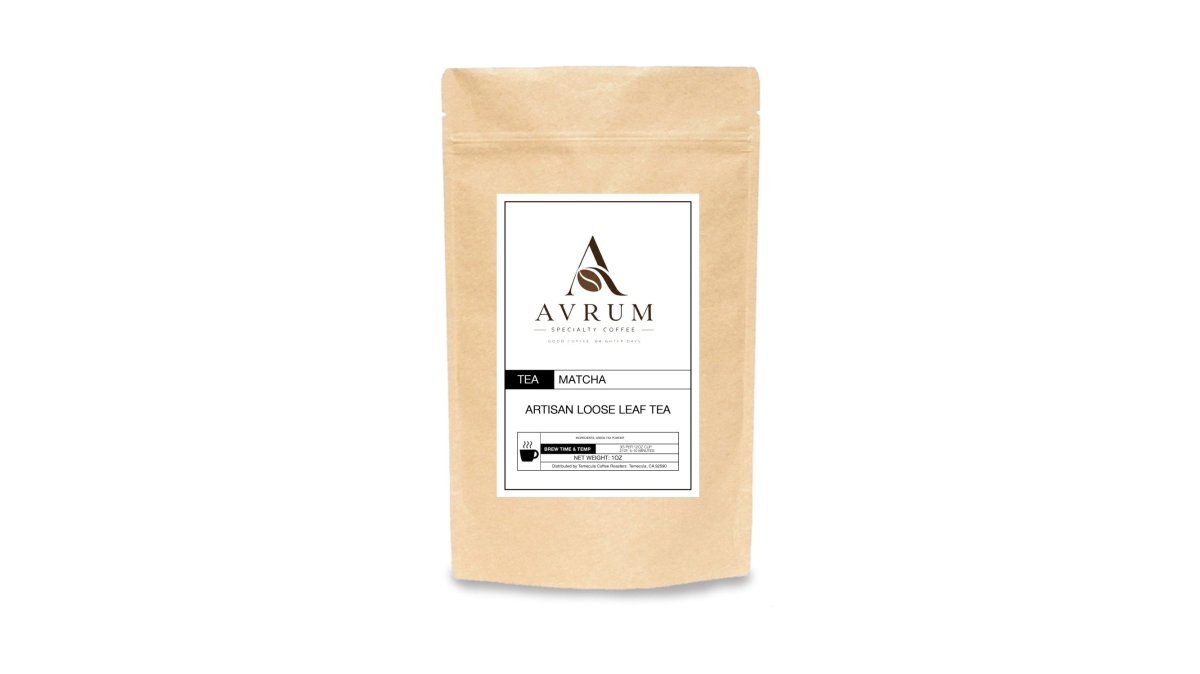
Ceremonial-grade matcha is harvested early from youngest leaves and processed carefully to preserve structure, while commercial-grade uses older leaves and stems, resulting in a more astringent flavor. Our Matcha at Avrum Coffee is crafted for traditional preparation and mindful daily rituals.
Bioactive compounds in artisan matcha, particularly catechins and L-theanine, remain stable because the powder hasn't been oxidized or degraded, ensuring you consume them in potent form.
The Antioxidant Power of Artisan Matcha Tea Benefits
Artisan matcha tea benefits rely on exceptional antioxidant density. A single serving contains concentrated polyphenols that neutralize free radicals and reduce oxidative stress, making matcha one of the most antioxidant-dense plant beverages available.
Catechins, matcha's primary antioxidants, have demonstrated neuroprotective and cardio-metabolic properties. They stabilize free radicals before cellular damage occurs and have a longer half-life than most antioxidants, remaining active in your system for extended periods.
EGCG and Catechins: The Active Compounds
Epigallocatechin gallate (EGCG) comprises roughly 50% of matcha's catechin content and is the primary driver of its wellness benefits, with demonstrated effects on cellular health, metabolic function, and neuroprotection.
The powder format delivers EGCG in a form your body readily absorbs, compounds are already separated from leaf structure. This direct delivery enhances bioavailability compared to steeped teas, where much remains trapped in leaf material.
EGCG and other catechins work synergistically to amplify antioxidant activity, which is why matcha outperforms individual catechin supplements.
Bioavailability and Absorption
Artisan matcha demonstrates a critical bioavailability advantage over standard green tea: consuming the entire ground leaf means your digestive system encounters a higher concentration of bioactive compounds.
Stone-grinding creates particles small enough for efficient absorption. Matcha's dramatically increased surface area means more EGCG and catechins enter your bloodstream compared to whole-leaf tea.
Vigorous whisking creates a stable suspension that keeps particles evenly distributed, ensuring consistent absorption throughout digestion.
How to Prepare Ceremonial Grade Matcha for Maximum Benefits
Preparation directly determines whether you experience the full spectrum of artisan matcha tea benefits. Wrong water temperature, timing, or whisking creates a bitter, grainy beverage that masks matcha's naturally sweet, umami character.

Water Temperature and Steeping Time
Use water between 160-180°F (70-80°C); boiling water damages amino acids and creates harsh flavor. Let boiled water cool 3-5 minutes if you lack a thermometer. This preserves L-theanine and heat-sensitive compounds.
Whisk matcha into suspension for 60-90 seconds rather than steeping. This ensures full incorporation without settling or grittiness.
The Whisk Technique
The bamboo whisk breaks up clumps and incorporates air, creating a stable emulsion. Hold at 45 degrees and use rapid circular motions until foam forms on the surface.
Vigorous whisking creates the smooth, creamy texture of well-prepared matcha; gentle stirring leaves clumps. Whisk for at least 30 seconds.
Matcha Tea Caffeine vs Coffee: Sustained Energy Without the Crash
The caffeine content in artisan matcha is often misunderstood. A typical serving contains 25-70mg of caffeine, depending on the grade and preparation method. This is roughly one-third the caffeine in a standard cup of coffee (95-200mg), but the physiological effect is entirely different due to L-theanine's moderating influence.
L-Theanine and Calm Alertness
L-theanine is an amino acid unique to tea plants, and it's present in particularly high concentrations in shade-grown matcha. This compound crosses the blood-brain barrier and increases alpha wave activity in your brain, the same brainwave state associated with relaxed focus and meditation. L-theanine doesn't make you drowsy; instead, it creates a state of calm alertness.
The synergy between caffeine and L-theanine is well-documented. While caffeine alone triggers a stress response and increases cortisol, the combination of caffeine plus L-theanine produces sustained mental clarity without the physiological agitation. You experience alertness without anxiety, focus without jitters. This is why matcha drinkers frequently report a more pleasant energy experience than coffee drinkers.
Why Matcha Avoids Caffeine Jitters
Coffee's caffeine hits your system quickly and intensely, causing a sharp spike in blood pressure and heart rate. Matcha's caffeine is absorbed more gradually, partly because it's suspended in a powder matrix rather than a liquid solution. This slower absorption rate prevents the sudden surge that triggers jitters and anxiety.
Additionally, matcha contains catechins that have mild vasodilatory properties, meaning they help blood vessels relax slightly. This counteracts the vasoconstrictive effect of caffeine alone, resulting in smoother circulation and less cardiovascular stress. The combination creates sustained energy without the crash that typically follows coffee consumption.
Best Time of Day to Drink Matcha for Energy
The optimal time to consume artisan matcha depends on your circadian rhythm and caffeine sensitivity. For most people, matcha consumed between 9am and 2pm provides sustained energy without interfering with evening sleep. The L-theanine component means matcha doesn't cause the sharp afternoon energy crash associated with coffee.
If you're sensitive to caffeine, consume matcha earlier in the day, ideally within 2-3 hours of waking. This allows the caffeine to work in concert with your natural cortisol peak, amplifying the effect without fighting your body's natural rhythms.
Some practitioners drink matcha as a pre-workout beverage 30-60 minutes before exercise. The sustained energy and improved focus can enhance both endurance and strength training performance. The combination of caffeine and catechins may also support fat oxidation during moderate-intensity exercise.
Heart Health, Metabolic Rate, and Liver Protection
The wellness benefits of artisan matcha extend beyond antioxidant activity. Regular matcha consumption correlates with improvements in cardiovascular markers, metabolic function, and hepatic health. These benefits emerge from matcha's unique compound profile and the way these compounds interact with your body's regulatory systems.
LDL Cholesterol and Blood Pressure
Catechins in matcha have demonstrated modest but consistent effects on LDL cholesterol levels (pubmed.ncbi.nlm.nih.gov). The mechanism involves enhanced bile acid excretion, meaning your body eliminates more cholesterol through normal digestive processes. This occurs because catechins inhibit cholesterol absorption in the intestines, reducing the amount that enters your bloodstream.
Blood pressure benefits from matcha consumption appear related to improved endothelial function, the health of the cells lining your blood vessels. When endothelial cells function properly, they produce adequate nitric oxide, a molecule that promotes vasodilation and reduces vascular resistance. Matcha's polyphenols support this process without the stimulant side effects of other interventions.
Fat Oxidation and Insulin Sensitivity
The catechins and caffeine combination in matcha appears to enhance fat oxidation, particularly during moderate-intensity physical activity. Your body preferentially burns fat for fuel rather than carbohydrates when these compounds are present. This effect is modest, not dramatic, but consistent across multiple observations.
Insulin sensitivity improvements from matcha consumption likely stem from polyphenol effects on glucose metabolism. These compounds appear to slow glucose absorption, preventing sharp blood sugar spikes that stress your pancreas and promote insulin resistance. Over time, improved insulin sensitivity reduces your risk of metabolic dysfunction and supports stable energy throughout the day.
Liver and Kidney Support
The liver is your primary detoxification organ, and matcha's catechins support its function by reducing oxidative stress within hepatic tissue. Your liver is constantly exposed to compounds that generate free radicals, alcohol, medications, environmental toxins. Matcha's antioxidants help neutralize these free radicals before they damage liver cells.
Kidney function benefits similarly. The polyphenols in matcha reduce inflammation in renal tissue and support the kidneys' filtration capacity. This is particularly relevant for individuals with early-stage metabolic dysfunction, where kidney health often declines alongside other markers.
Sourcing, Quality Grading, and Ethical Sourcing
Not all matcha is created equal. The difference between ceremonial-grade and commercial-grade matcha is substantial, and understanding these distinctions helps you choose a product that actually delivers the wellness benefits you're seeking.
What Ceremonial Grade Means
Ceremonial-grade matcha is harvested during the first flush of the season, typically in late April or early May in Japan. This timing captures the youngest leaves, which contain the highest concentration of amino acids and the most delicate flavor profile.
The stone-grinding process for ceremonial grade is slow and deliberate. Industrial grinding generates heat that degrades heat-sensitive compounds. Artisan producers use granite stones that rotate slowly, keeping matcha cool throughout the process. The result is a powder with vibrant color, smooth texture, and complex flavor.
Commercial-grade matcha uses older leaves, stems, and sometimes leaf fragments left over from higher-grade processing. The grinding process is faster and hotter, prioritizing efficiency over quality.
Shade-Grown and Stone-Ground Standards
Shade-growing is non-negotiable for quality matcha. When tea plants are shaded for 3-4 weeks before harvest, they respond by increasing chlorophyll and amino acid production. This creates the distinctive bright green color and umami sweetness characteristic of fine matcha. Sun-grown tea plants don't undergo this physiological adaptation, resulting in inferior flavor and lower amino acid content.
Stone-grinding distinguishes artisan matcha from industrial alternatives. Granite stones preserve the integrity of the leaf particles and maintain cool temperatures throughout processing. The resulting powder has a fine, consistent particle size, typically 5-10 microns, that suspends smoothly in water and absorbs efficiently in your digestive system.
Our Matcha at Avrum Coffee is crafted for traditional preparation and mindful daily rituals, ensuring you experience the full spectrum of benefits this remarkable plant offers.
Safety, Contraindications, and When to Avoid Matcha
While matcha is generally well-tolerated, certain individuals should exercise caution or avoid it entirely. Understanding these contraindications ensures you can safely incorporate matcha into your wellness routine.
Individuals taking blood-thinning medications should consult their healthcare provider before consuming matcha regularly.
Pregnancy and nursing present another consideration. While matcha contains caffeine in modest amounts, pregnant individuals are typically advised to limit caffeine intake.
Individuals with caffeine sensitivity or anxiety disorders may experience symptom exacerbation from matcha, despite its L-theanine content.
Matcha quality directly impacts safety. Low-quality matcha from unverified sources may contain heavy metals or pesticide residues accumulated during growth. This is why sourcing from reputable producers matters.
Incorporating artisan matcha tea benefits into your daily wellness routine requires understanding both its potential and its limitations.
Frequently Asked Questions
What happens when you drink artisan matcha tea every day?
Daily matcha consumption exposes your body to sustained doses of catechins, EGCG, and L-theanine. Over time, this supports cardiovascular health, may improve insulin sensitivity, and provides consistent cognitive support without the energy crashes associated with coffee. The chlorophyll and polyphenols work to reduce oxidative stress. Most people report steadier focus and sustained energy throughout the day. However, daily intake means monitoring total caffeine consumption, especially if you're sensitive to stimulants or take certain medications.
How does artisan matcha tea differ from standard green tea in terms of antioxidant content?
Artisan matcha, especially ceremonial grade, is shade-grown before harvest, which increases chlorophyll and amino acid production. The entire leaf is consumed as a fine powder rather than steeped and discarded, delivering 100% of the leaf's bioactive compounds. This results in significantly higher concentrations of EGCG catechins and L-theanine compared to brewed green tea. Stone-ground processing preserves heat-sensitive nutrients, whereas standard green tea loses some potency during drying and oxidation.
When is the best time of day to drink matcha for sustained energy?
Morning or early afternoon works best for most people. Matcha's caffeine content (25-70mg per serving) combined with L-theanine creates sustained alertness without the afternoon crash coffee causes. Drinking it before 2 PM allows the caffeine to metabolize before bedtime, preventing sleep disruption. For remote workers, a matcha ritual between 9-11 AM aligns with natural cortisol rhythms and supports cognitive performance through mid-afternoon without interfering with evening rest.
Is there any downside to drinking artisan matcha tea regularly?
Matcha contains caffeine and fluoride naturally present in tea leaves, so excessive consumption may cause jitteriness in sensitive individuals or interact with certain medications. Those on blood thinners or with iron absorption issues should consult a healthcare provider, as matcha contains compounds that may affect absorption. Pregnant or nursing individuals should limit intake. Quality matters: lower-grade matcha may contain more contaminants. Choose high-quality varieties from reputable sources like Avrum Coffee to minimize risk while maximizing benefits.