

Last Updated: October 23, 2026
Quick Summary
Bold decaf coffee beans deliver real flavor through three factors: the decaffeination method used, the roast level applied after processing, and the quality of the beans themselves. The Swiss Water Process and sugarcane process preserve more flavor compounds than other methods, while medium-dark or dark roasts amplify body and richness that make decaf taste substantial without compromise.
- Swiss Water Process and sugarcane decaffeination preserve more flavor compounds and oils than other methods
- Medium-dark or dark roasts create deeper chocolate, caramel, and smoky notes in decaf coffee
- Whole bean decaf with a roast date within two weeks of purchase tastes noticeably better than pre-ground
- Single-origin decaf shows roaster skill and bean quality more clearly than blends
- Store whole bean decaf in an opaque, airtight container at room temperature away from light and heat
Table of Contents
- What Makes Bold Decaf Coffee Beans Different
- How Roast Level Affects Coffee Flavor in Decaf
- Decaffeination Methods That Preserve Bold Flavor
- Best Decaf Whole Bean Coffee for Maximum Richness
- Best Dark Roast Decaf Coffee for Deep Flavor
- Best Decaf Coffee for Espresso Machines
- What to Look for in Bold Decaf: Selection Criteria
- Common Mistakes That Kill Decaf Flavor
- Frequently Asked Questions
What Makes Bold Decaf Coffee Beans Different
Most people assume decaf means compromise. They expect flat, watery coffee that tastes like it's been sitting on a warmer since yesterday. But that's where the conventional wisdom breaks down.
The difference between mediocre decaf and bold decaf coffee beans comes down to three factors: the decaffeination method used, the roast level applied after processing, and the quality of the beans themselves before any processing begins. When these three align, you get coffee that delivers real flavor, caramel sweetness, chocolate notes, even subtle fruit undertones, without the caffeine.
The Swiss Water Process, for example, preserves more of the bean's natural oils and flavor compounds than other methods. Combined with a proper dark or medium roast, this can produce decaf that coffee enthusiasts want to drink.
The key is understanding that decaf quality isn't about compensation. It's about intentional choices at every stage: sourcing single-origin beans with inherent flavor, selecting a decaffeination process that respects those flavors, and roasting to bring out richness rather than mask it. When you approach it this way, bold decaf becomes not a fallback option, but a legitimate choice.
How Roast Level Affects Coffee Flavor in Decaf
Dark roasts bring out different characteristics in decaf than they do in regular coffee. The extended roasting time actually works in decaf's favor because it amplifies the body and mouthfeel that the decaffeination process can sometimes soften.
A dark roast decaf develops deeper chocolate, caramel, and even smoky notes. The longer exposure to heat creates more of the compounds that give coffee its full-bodied sensation on the palate.
The mistake most people make is assuming all dark roasts taste the same. With decaf, the roast profile matters enormously. A poorly executed dark roast becomes bitter and one-dimensional. A skilled roast brings out sweetness and complexity. This is why roast date matters: fresher roasted beans show the roaster's skill more clearly than beans that have sat for weeks.
Decaffeination Methods That Preserve Bold Flavor
Most guides stop at naming the process. For a flavor-focused buyer, the useful question is what each method actually does to the compounds that make coffee taste bold. Caffeine is only one molecule in the bean; the goal is to remove it while leaving behind the sugars, lipids, and volatile aromatics that create body and sweetness.
Here is how the main methods work and what they tend to do to flavor:
- Swiss Water Process (SWP): Green beans are soaked in water to dissolve caffeine and flavor compounds, then the water is passed through activated carbon filters that trap caffeine while letting flavor molecules through. The beans are re-soaked in the flavor-saturated water. Because the process is water-based and temperature-controlled, it tends to preserve lipids and many volatile aromatics, which is why SWP decaf often tastes fuller and more chocolatey. The trade-off: it can mute the brightest, most delicate top notes.
- Sugarcane process (ethyl acetate derived from sugarcane): The bean is steamed or soaked, then ethyl acetate is used to bond with caffeine and remove it. Because the solvent is naturally derived and the process is relatively gentle, sugarcane decaf often retains more brightness and origin character than SWP. The trade-off: results vary more by processor, and some delicate floral notes can still be lost.
- CO2 process: Supercritical carbon dioxide is used to selectively extract caffeine. It is efficient and leaves little residue, but the high-pressure conditions can strip some volatile aromatics. It is less common in specialty decaf but appears in some commercial brands.
- Direct solvent methods (methylene chloride, ethyl acetate): These are the oldest and cheapest. They can leave chemical residues if not carefully controlled and are more likely to flatten flavor. Most specialty roasters avoid them, but they still appear in commodity decaf.
A common pattern among flavor-focused roasters is to favor SWP or sugarcane because both give the roaster more flavor potential to work with. Neither is universally better; the right choice depends on the bean and the roast. A bright, fruity single-origin may show better through sugarcane, while a chocolatey, nutty profile often shines through SWP.
When you evaluate bold decaf coffee beans, treat the method as a signal, not a guarantee. A roaster who names the method and explains why they chose it is more likely to have made intentional flavor decisions than one who hides the process.
Best Decaf Whole Bean Coffee for Maximum Richness
Whole bean decaf outperforms pre-ground in every meaningful way: more aroma when you open the bag, better flavor extraction during brewing, and a longer shelf life. The moment coffee is ground, surface area increases and flavor compounds begin to oxidize.
Look for beans with a roast date on the label, ideally within two weeks of purchase. Decaf actually has a slightly shorter optimal window than regular coffee because the decaffeination process has already stressed the bean. Fresher decaf tastes noticeably better than decaf that's been sitting for a month.
Single-origin whole bean decaf gives you the clearest picture of what the roaster achieved. You taste the terroir, the roast skill, and the decaffeination method all at once. Our Peru Decaf, for example, uses the Swiss Water Process and has a tasting profile of caramel, smooth, and citrus.
Grind whole beans just before brewing. Use a burr grinder set to your brewing method, coarser for French press, finer for espresso. This single step makes more difference to flavor than almost any other variable in your morning ritual.
Best Dark Roast Decaf Coffee for Deep Flavor
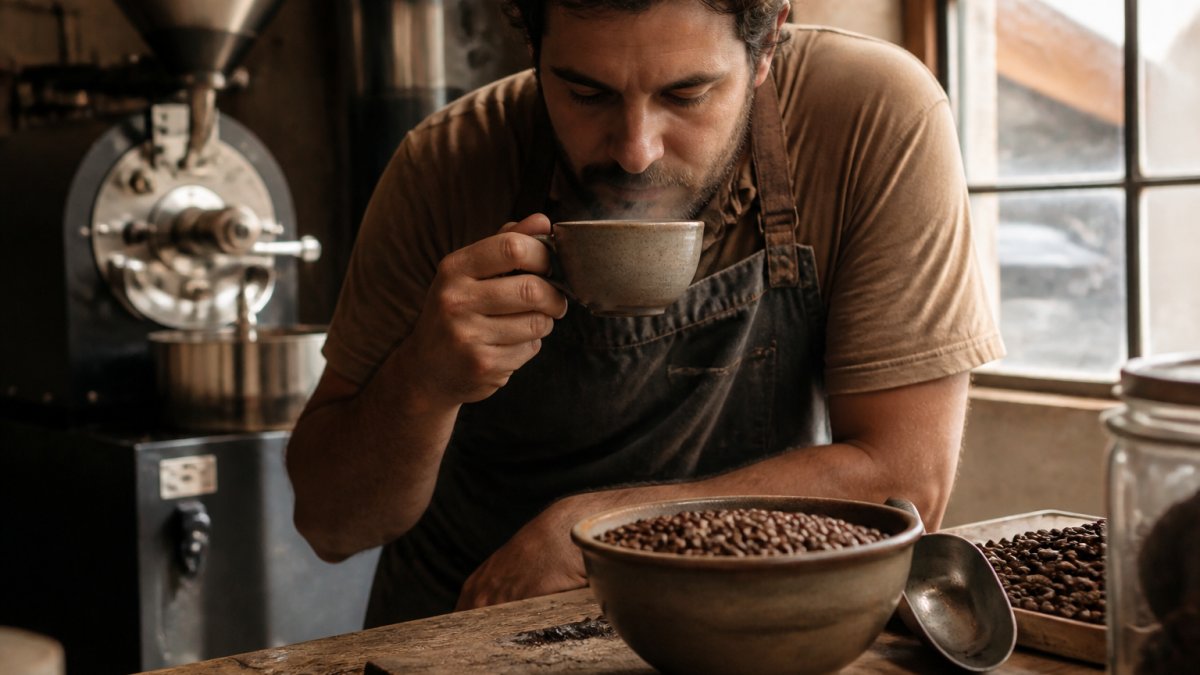
Dark roast decaf delivers the boldness most people think they have to give up when they cut caffeine. The extended roasting creates deeper chocolate, caramel, and even subtle smoky undertones that make the coffee feel substantial in your cup.
The trick with dark roast decaf is that it needs quality beans to start. A dark roast can hide mediocre coffee, but it can also ruin good coffee if the roaster pushes too far.
Look for beans roasted to what roasters call "second crack", the point where the bean's cellular structure opens up and releases oils. This creates that full, almost syrupy mouthfeel that makes dark roast decaf satisfying. Pre-second-crack dark roasts tend toward harsh and thin by comparison.
Best Decaf Coffee for Espresso Machines
Espresso demands different qualities than drip coffee.
Dark roast whole bean decaf works best for espresso because the extended roasting creates the density and oil content that espresso machines need.
Decaf beans can behave differently under pressure. The decaffeination process can make beans slightly more porous and less dense, which changes how water flows through the puck.
Temperature matters too. Pulling shots at the higher end of the espresso range (around 200-203°F) can help extract more sweetness without adding bitterness.
Tamping should be even and firm, but decaf pucks can be more fragile. A consistent tamp pressure and a level bed matter more than force.
Decaf espresso may have slightly less intensity than regular espresso, but it can still taste clean, balanced, and flavorful.
What to Look for in Bold Decaf: Selection Criteria
When you're choosing bold decaf coffee beans, these criteria separate quality from ordinary:
- Decaffeination method: Swiss Water Process or sugarcane process indicate flavor-conscious roasting
- Roast date: Within two weeks of purchase; fresher decaf tastes noticeably better
- Roast level: Medium-dark or dark for body; medium for origin character
- Single-origin vs. blend: Single-origin shows roaster skill more clearly; blends can work but offer less transparency
- Whole bean only: Pre-ground decaf oxidizes faster and loses flavor quickly
- Bean density: Look for beans that feel substantial, not light or hollow
- Aroma: Open the bag and smell. Good decaf has clear, pleasant aroma. Flat or chemical smell signals poor processing
| Selection Criterion | What to Look For | Why It Matters |
|---|---|---|
| Decaffeination Method | Swiss Water or sugarcane process | Preserves more flavor compounds and oils |
| Roast Date | Within 2 weeks of purchase | Fresher beans taste noticeably better |
| Roast Level | Medium-dark or dark | Creates body and richness in the cup |
| Bean Format | Whole bean only | Pre-ground oxidizes and loses flavor quickly |
| Origin | Single-origin preferred | Shows roaster skill and bean quality clearly |
| Aroma | Clear and pleasant when bag opens | Indicates proper processing and freshness |
Common Mistakes That Kill Decaf Flavor
The most common mistake is buying pre-ground decaf and expecting it to taste bold. Pre-ground coffee oxidizes rapidly, and decaf's flavor compounds are more fragile than regular coffee's.
Storing decaf in clear containers or above the stove kills flavor just as quickly. Light and heat accelerate oxidation.
Over-extracting decaf is another common error. Because decaf has less body naturally, over-extraction pulls out bitter compounds without adding richness.
Using stale water or dirty equipment ruins decaf more noticeably than regular coffee. Decaf's more delicate flavor profile means every variable matters more.
The final mistake: assuming all decaf tastes the same. The difference between mediocre decaf and bold decaf can be significant.
Most people who switch to decaf expect to sacrifice flavor. But when you start with quality beans, use the right decaffeination method, and roast intentionally, bold decaf delivers real complexity and satisfaction.
Frequently Asked Questions
What should I look for in bold-tasting decaf coffee beans?
Look for medium to dark roast decaf beans with a roast date on the bag, fresher beans deliver stronger flavor. Check the decaffeination process: Swiss Water and sugarcane processes preserve more of the bean's natural flavor than ethyl acetate methods. Single-origin beans often taste bolder than blends. Examine the tasting profile for descriptors like 'full-bodied,' 'chocolatey,' or 'nutty' rather than light or delicate notes.
Does dark roast decaf taste stronger than light roast?
Yes, dark roast decaf typically tastes bolder and more full-bodied than light roast. The longer roasting time develops deeper flavors, chocolate, caramel, and toasted notes, that mask any subtle decaffeination residue. Dark roast also reduces perceived acidity and increases bitterness, which many people associate with strength. Light roast decaf preserves origin flavors better but can taste thinner because it lacks the roasting depth that adds body and mouthfeel. For bold flavor, dark roast is the safer choice.
Which decaf coffee beans are best for espresso?
The best decaf for espresso needs a fine, consistent grind and beans dense enough to resist over-extraction. Look for medium-dark roast decaf with a full body and low acidity, these characteristics prevent the thin, sour shots that often result from decaf espresso. Avoid light roasts, which can taste hollow in espresso.
How quickly should I use decaf coffee beans after the roast date?
Decaf coffee reaches peak flavor 5-10 days after roasting and stays fresh for 2-3 weeks in an airtight container away from heat and light. Always buy from roasters who print the roast date on the bag, and choose beans roasted within the last 7-10 days if possible. Store whole beans in an airtight, opaque container at room temperature.
