

Table of Contents
- What Makes a Freshly Roasted Coffee Subscription Worth It
- Best Coffee Subscriptions 2026: Avrum Coffee's Core Offerings
- Coffee Subscription Delivery Frequency: Finding Your Rhythm
- Single-Origin Coffee Subscription: What Sets Them Apart
- How to Store Freshly Roasted Coffee for Maximum Freshness
- Pricing Breakdown: What You're Actually Paying For
- Conclusion: Choosing Your Freshly Roasted Coffee Subscription
- Frequently Asked Questions
Last Updated: October 5, 2026
What Makes a Freshly Roasted Coffee Subscription Worth It
Grocery-store coffee is often roasted weeks or months ago: the oils have oxidized and the aromatics have faded.
At Avrum Coffee, freshness matters. Our thoughtfully curated selection of freshly roasted, carefully selected coffee ensures a smooth and flavorful experience that brightens your mornings.
But freshness alone isn't the full story. A freshly roasted coffee subscription should also offer variety, transparent pricing, and flexibility.
Best Coffee Subscriptions 2026: Avrum Coffee's Core Offerings
Avrum Coffee offers a curated selection for home brewers who want single-origin complexity or reliable everyday blends.
Blended Options for Everyday Brewing
The Breakfast Blend is a lightly roasted blend of South American coffees with walnuts, mild apple, slight raisin, and toffee notes at $24.99, approachable, smooth coffee that works in any brewing method.
The House Blend is a medium roast of Central and South American coffees with nutty, sweet chocolate, mild citrus, and a clean bright finish, also $24.99.
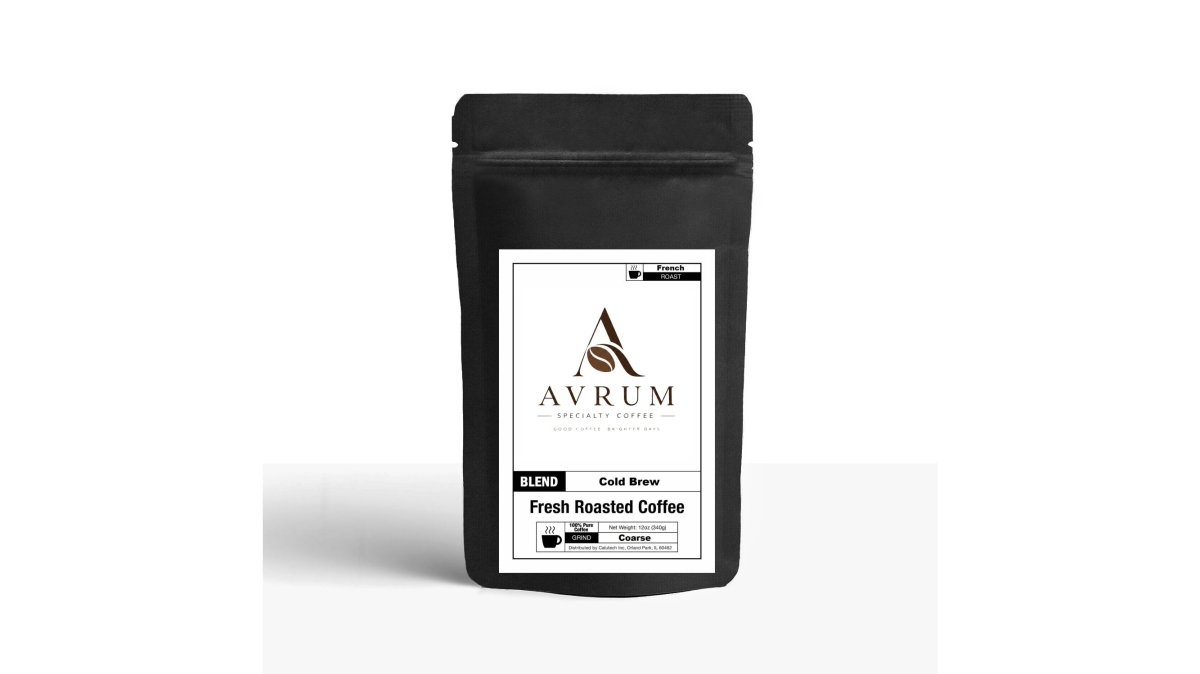
For cold brew, the Cold Brew Coffee is a dark French roast with very coarse grounds made for cold water immersion.
Single-Origin Coffees for Flavor Exploration
Single-origin coffees show you what a specific region, farm, and processing method can do.
The Brazil Santos offers an elegant, smooth cup with cocoa notes from volcanic loam soil at high altitude. Also $24.99, it's for anyone who wants depth without acidity.
The Peru Decaf uses the Swiss Water Process. Caramel, smooth, and citrus notes remain intact at $24.99, ideal for afternoon coffee without sleep disruption.
Sample Packs to Test Before Committing
The Best Sellers Sample Pack includes 2-ounce portions of six coffees: 6Bean Blend, Cowboy Blend, Breakfast Blend, Peru, Mexico, and Bali. At $24.99, it's the smart way to find what you like before buying full 12-ounce bags.
The Single Origin Favorites Sample Pack covers six single-origins: Brazil Santos, Colombia, Costa Rica, Ethiopia, Honduras, and Tanzania. At $21.99, it's a great value if you're curious how geography and processing shape flavor; each 2-ounce portion makes 3-4 cups.
Coffee Subscription Delivery Frequency: Finding Your Rhythm
Delivery frequency is where a freshly roasted coffee subscription either works or quietly wastes money: too frequent and you stockpile beans past their peak, too slow and you're back to stale coffee.
Start with your actual consumption rate. At roughly 1 gram of coffee per 16-18 grams of water, most drip and pour-over cups use 0.5 to 0.7 ounces of beans.
Here's how the common cadences map to real usage:
- Weekly (every 7 days): Best for households drinking 3+ cups daily, or anyone pulling espresso shots, which use 18-20 grams per shot. You'll rarely have beans older than 10 days.
- Biweekly (every 14 days): The sweet spot for most two-cup households. Two 12-ounce bags cover roughly 18-24 days, so shipments overlap slightly and you're almost never out.
- Monthly (every 30 days): Works for one-cup drinkers or weekend-only brewers. Expect the last week of each bag to be past peak, so this cadence rewards good storage.
The Transparent Cost Math Competitors Skip
Most subscription guides quote a bag price and stop there, hiding the number that matters: delivered cost per ounce and per cup.
Run the math: a 12-ounce bag at $24.99 with free shipping is about $2.08 per ounce, or roughly $1.25 per cup at 0.6 ounces per cup.
Apply the same logic to frequency.
A quick comparison framework you can apply to any roaster:
- Divide bag price by bag ounces to get base cost per ounce.
- Add shipping, then divide again to get delivered cost per ounce.
- Divide delivered cost per ounce by your ounces-per-cup to get cost per cup.
- Multiply cost per cup by your monthly cup count to get your true monthly spend.
That fourth number is the only one worth comparing across subscriptions.
Flexibility and Cancellation Terms Matter as Much as Price
A subscription's real value includes how easily you can change it. Skip, pause, and cancellation policies determine whether a plan is low-risk or a trap.
Look for these terms before committing:
- Skip: Can you skip a single shipment without canceling? Good plans allow this with a few days' notice before the next charge.
- Pause: Can you pause for one to three months and resume without losing your rate or selections? This matters for travel and seasonal drinking.
- Frequency change: Can you move from monthly to biweekly (or back) without starting a new subscription?
A simple rule: if you can't skip, pause, and cancel from your account page in under two minutes, the plan carries more commitment risk.
Coffee storage research from specialty roasters shows that beans stay in peak flavor for roughly 2-3 weeks after roasting, with a noticeable decline by four weeks. That timeline is the constraint your delivery frequency has to respect: you want the next shipment arriving while the current bag is still inside its peak window, not after it has faded.
Single-Origin Coffee Subscription: What Sets Them Apart
Single-origin coffees cost the same as blends at Avrum Coffee ($24.99) but demand more attention: you're tasting the region, not a roaster's balancing act.
The tradeoff is consistency. A blend tastes the same batch to batch because roasters adjust for crop variation, while a single-origin shifts slightly year to year.
Storage matters more with single-origins because you're paying for subtle flavors: a stale single-origin tastes different than a stale blend, since delicate notes disappear first.
How to Store Freshly Roasted Coffee for Maximum Freshness
Most storage advice says use an airtight container and keep beans away from light. Correct but incomplete: to preserve a freshly roasted coffee subscription, you need to understand degassing, oxidation, and the roast-date clock.
Why Fresh Coffee Degasses, and Why It Matters
Right after roasting, beans release carbon dioxide, degassing, which is why coffee roasted yesterday behaves differently from coffee roasted three weeks ago. Too much CO2 and your pour-over blooms aggressively and extracts unevenly; too little and the coffee tastes flat as aromatic compounds oxidize.
Most roasters rest beans briefly before shipping so they've off-gassed enough to brew well: commonly 2-5 days for filter, longer for espresso, which is more CO2-sensitive.
How to Read a Roast Date
The roast date is the only freshness signal that matters. "Best by" dates are usually set months out and tell you almost nothing about peak flavor. Look for a printed roast date, and interpret it like this:
- Days 0-2: Resting. Good for filter if you enjoy a lively bloom; often too gassy for consistent espresso.
- Days 3-14: Peak window for most brewing methods. Aromatics are at their fullest and extraction is predictable.
- Days 15-21: Still good, especially in a well-sealed bag, but delicate top notes begin to fade.
If a bag arrives without a roast date, treat that as a red flag.
Valve Bags vs. Airtight Containers
One-way degassing valves let CO2 escape without letting oxygen in, which is why coffee bags ship with them and why a sealed valve bag is genuinely good storage for the first week or two.
The trade-off appears after opening: once you break the seal, protection drops sharply. Resealable zippers help but aren't truly airtight.
A practical approach:
- First 1-2 weeks: Keep beans in the original valve bag, squeezed to remove excess air, zipper sealed, stored in a dark cabinet.
- After opening, or if you bought a large bag: Transfer to an opaque, airtight container. Glass with a silicone gasket or a dedicated coffee canister works well. Avoid clear containers on open shelves.
- For long storage: Freezing whole beans in a vacuum-sealed or tightly sealed portioned bag is a legitimate option. Freeze in single-use portions so you only thaw what you'll brew, and let the portion come to room temperature before grinding to avoid condensation.
What Not to Do
- Don't refrigerate. The fridge cycles temperature and humidity every time the door opens, and coffee absorbs odors readily.
- Don't store above the stove, near a window, or on top of the fridge. Heat accelerates oxidation.
- Don't pre-grind a week's worth. Ground coffee has far more surface area exposed to oxygen and loses its bright notes within hours to a day.
Pricing Breakdown: What You're Actually Paying For
All Avrum Coffee single-origin and blended options cost $24.99 per 12-ounce bag. Sample packs range from $21.99 to $24.99 for six 2-ounce portions, consistent across our entire freshly roasted coffee subscription catalog.

What you're paying for: sourcing specialty beans, small-batch roasting overhead, freshness-preserving packaging, and delivery speed.
Grocery-store coffee costs $0.20-0.40 per cup, a real difference. The question isn't whether specialty coffee is expensive (it is), but whether the flavor difference justifies the cost for your daily ritual.
Specialty coffee costs roughly three times as much as grocery-store coffee per cup. If you drink two cups daily, the monthly premium is roughly $40. That's the cost of two specialty coffees at a cafe, a reasonable trade-off for the daily ritual at home.
Conclusion: Choosing Your Freshly Roasted Coffee Subscription
The real challenge isn't finding a freshly roasted coffee subscription, it's choosing between blends and single-origins, deciding on delivery frequency, and committing to proper storage.
Start with Avrum Coffee's sample packs to discover your preferences without overcommitting.
Store beans in an airtight container away from heat and light, grind just before brewing, and expect the flavor window to close after three weeks.
Frequently Asked Questions
How fresh is coffee from a freshly roasted coffee subscription?
Freshly roasted coffee reaches peak flavor 7-10 days after roasting, when CO2 degassing stabilizes and complex flavors develop fully. Avrum Coffee roasts to order and ships quickly, ensuring your beans arrive within this optimal window. Grocery-store coffee is often weeks old, delivering flat, stale flavor by comparison. Check the roast date on your bag, it's your freshness guarantee.
What's the difference between single-origin and blended coffee in a subscription?
Single-origin beans come from one region or farm, showcasing distinct flavor profiles shaped by altitude, soil, and processing. Avrum's single-origin options like Brazil Santos (cocoa notes) or Ethiopia Natural (fruity, caramel) highlight these unique characteristics. Blends combine coffees from multiple origins for consistency and balance, ideal for everyday brewing. Choose single-origin for flavor exploration, blends for reliable morning cups.
How often should I receive a coffee subscription delivery?
Delivery frequency depends on consumption and storage capacity. A 12oz bag yields roughly 15-20 cups. Home professionals and remote workers brewing daily typically need delivery every 2-4 weeks. Biweekly delivery keeps beans fresh within their peak flavor window. Less frequent drinkers can space deliveries further apart but risk stale beans. Avrum's subscription flexibility lets you adjust frequency based on your brewing habits and taste preferences.
Is a coffee subscription actually worth the cost compared to grocery-store coffee?
Avrum Coffee subscriptions cost $24.99 per 12oz bag, roughly $1.25-$1.67 per cup depending on brewing method. Grocery-store coffee typically costs $0.50-$0.80 per cup but often arrives weeks old. The premium covers freshness, single-origin traceability, expert roasting, and environmentally friendly processing. For discerning professionals who value their morning ritual, the flavor difference and quality justify the investment. Sample packs at $21.99-$24.99 let you test before committing to a full subscription.
Can I choose the roast level and coffee type in a subscription?
Avrum Coffee offers light, medium, and dark roasts across blends and single-origin options, giving you full control over your selection. Light roasts (like Ethiopia Natural) highlight fruity, floral notes; medium roasts (Brazil Santos, Colombia) balance sweetness and body; dark roasts suit espresso and bold preferences. You're not locked into preset selections, choose exactly what matches your brewing method and taste preferences each time you order.