

Table of Contents
- What You'll Need to Brew Ceremonial Matcha
- Ceremonial Matcha Water Temperature: Getting It Right
- Understanding Matcha-to-Water Ratio for Perfect Strength
- Step-by-Step: How to Brew Ceremonial Grade Matcha
- How to Whisk Matcha for Silky, Smooth Texture
- How to Make Matcha Less Bitter
- Common Mistakes to Avoid
- Storage and Freshness: Keeping Your Matcha Vibrant
- Frequently Asked Questions
Last Updated: October 14, 2026
What You'll Need to Brew Ceremonial Matcha
Learning how to brew ceremonial grade matcha at home is simpler than you might think, but the right tools make all the difference. You don't need much to get started, but what you do choose matters for texture and taste.
Essential Tools and Equipment
Start with the basics. A bamboo whisk (called a chasen) is the traditional tool for whisking matcha into a smooth, frothy drink.
A small fine-mesh sifter prevents clumps before whisking. Matcha powder clumps easily when it hits water, so sifting takes just seconds and solves most texture problems.
A temperature-controlled kettle is optional but worth it. Regular kettles boil water to 212°F, which burns matcha and makes it bitter. A good kettle lets you set the exact temperature you need.
Can't find traditional tools? You can whisk matcha with a regular milk frother, fork, or even a small whisk from your kitchen drawer.
Choosing High-Quality Ceremonial-Grade Matcha
Not all matcha is the same. Ceremonial-grade matcha is finer, brighter green, and smoother than culinary-grade. It's meant for drinking straight, not blended into lattes.
Look for matcha that's bright, vibrant green. Dull or yellowish powder means it's old or was stored poorly. The powder should feel silky when you touch it, not gritty.
Check the origin if possible. Japanese matcha, especially from regions like Uji or Nishio, tends to be higher quality.
Buy in small amounts. Matcha loses flavor quickly once opened. A tin that lasts you two to three weeks is better than a large bag that sits around.
Ceremonial Matcha Water Temperature: Getting It Right
Water temperature makes or breaks your matcha. Too hot and it tastes bitter and burnt. Too cool and it tastes weak and flat.
The sweet spot for ceremonial matcha water temperature is between 70°C and 80°C (158°F to 176°F) (The therapeutic potential of matcha tea: A critical review on human and animal studies).
Never use boiling water. Water at 100°C (212°F) destroys the subtle taste that makes ceremonial matcha special.
If your kettle doesn't have temperature control, use this trick: boil water, pour it into your bowl first to cool it, then pour it out before adding matcha.
Understanding Matcha-to-Water Ratio for Perfect Strength
The matcha-to-water ratio determines how strong or mild your drink tastes. Get this right and every cup is consistent.
For traditional preparation, use 1 to 2 teaspoons of matcha powder (about 2 grams) mixed with 60 to 80 milliliters of water (roughly 2 to 3 ounces). This creates a thick, creamy drink called usucha.
If you prefer a thinner, more tea-like drink, use less powder and more water. A lighter ratio might be 1 teaspoon in 120 milliliters of water.
The ratio matters because it affects both flavor and texture. Too much powder makes it chalky. Too little tastes watery and weak.
Step-by-Step: How to Brew Ceremonial Grade Matcha
Learning how to brew ceremonial grade matcha at home takes about two minutes once you get the hang of it. The steps are straightforward, but each one shapes the final result.
Measuring and Sifting Your Matcha Powder
Start by measuring your matcha. Use your bamboo scoop or a regular teaspoon to get about 1 to 2 teaspoons of powder. If you're measuring by weight, that's roughly 2 grams.

Pour the powder into your fine-mesh sifter held over your bowl. Tap the sifter gently so the powder falls through. This breaks up any clumps and makes whisking easier.
If you skip sifting, you'll likely end up with small clumps that don't dissolve. They float on top and change the mouthfeel. It's a small step that makes a big difference.
Creating the Perfect Paste
Pour just a small amount of your hot water, about 2 tablespoons, into the bowl with the sifted matcha. Use your bamboo whisk to stir the powder and water together into a smooth paste. This paste is the foundation for everything that comes next.
Whisk gently in circular motions until the powder fully dissolves and you see no dry spots. This takes about 30 seconds. The paste should look creamy and uniform, not lumpy or thin.
This step matters because it prevents clumps from forming when you add the rest of the water. A good paste whisks smoothly into froth.
Adding Water and Building Froth
Once your paste is smooth, add the remaining hot water, about 2 to 3 ounces total. Pour it slowly to avoid splashing.
Now comes the whisking. Hold your whisk upright and move it in quick, small strokes side to side, not in circles. The goal is to create a layer of fine foam on top.
You'll see the foam build gradually. When you're done, the surface should be covered with tiny bubbles that look silky, not big and airy like cappuccino foam.
How to Whisk Matcha for Silky, Smooth Texture
The whisking technique is what separates a silky cup from a grainy one. It's the most important skill to master.
Hold your bamboo whisk with your fingers relaxed. Your wrist should do most of the work, not your whole arm.
Don't whisk in circles. Circular motions create big bubbles and uneven foam. Side-to-side strokes create smaller, more uniform bubbles that feel smooth on your tongue.
Whisk for 30 to 60 seconds. You'll feel the resistance change as foam builds.
The texture should feel silky in your mouth, not gritty or chalky.
How to Make Matcha Less Bitter
Bitterness usually comes from one of three things: water that's too hot, powder that's old, or whisking too hard.
If your matcha tastes bitter, check your water temperature first. Water above 80°C burns the powder and brings out harsh, unpleasant flavors.
Old matcha tastes bitter and grassy. Buy smaller amounts and store your powder in a cool, dark place.
Whisking too vigorously can also bring out bitter compounds. Use gentle, quick strokes instead of aggressive whisking. You want fine foam, not aggressive agitation.
If your powder tastes consistently bitter even with proper technique, it might be culinary-grade matcha instead of ceremonial-grade.
Common Mistakes to Avoid
Most matcha problems trace back to a handful of causes. Instead of memorizing a list of mistakes, use this symptom-to-fix guide to diagnose what went wrong and correct it next time.
Symptom: Bitter or Harsh Taste
Likely causes and fixes:
- Water too hot. Water above 80°C (176°F) extracts bitter compounds and damages delicate amino acids. Fix: use a thermometer or a temperature-controlled kettle set to 70-80°C. If you only have a stovetop kettle, boil, then let it sit 3-4 minutes before pouring.
- Old or oxidized powder. Matcha loses sweetness as it ages. Fix: check your harvest date. Once opened, use within 2-3 weeks. Store in an airtight tin away from light and heat.
- Culinary-grade powder. Coarser, stem-included matcha is naturally bitter. Fix: if bitterness persists even with correct temperature and fresh powder, you likely have culinary-grade matcha. Switch to a verified ceremonial-grade tin.
- Over-whisking. Aggressive whisking can agitate the powder too much and bring out astringency. Fix: use quick, gentle side-to-side strokes, not forceful circular motions.
Symptom: Weak, Watery, or Flat Flavor
- Too little powder. The traditional usucha ratio is about 2 g (1-2 teaspoons) of matcha to 60-80 ml (2-3 oz) of water. Fix: measure by weight if possible; a kitchen scale removes guesswork.
- Too much water. Doubling the water without increasing powder dilutes flavor. Fix: stick to the ratio above, or if you want a thinner drink, accept that it will taste lighter.
- Water too cool. Below about 70°C, extraction is incomplete and the drink tastes flat. Fix: aim for 75°C as a reliable middle ground.
- Stale powder. Even correctly brewed, old matcha tastes dull. Fix: replace opened tins every few weeks.
Symptom: Clumps or Gritty Texture
- Skipped sifting. Matcha clumps easily, especially in humid conditions. Fix: sift the powder through a fine-mesh strainer before adding water. This takes 20 seconds and prevents most texture problems.
- No paste stage. Adding all the water at once makes clumps harder to break up. Fix: add about 2 tablespoons of water first, whisk into a smooth paste, then add the rest.
- Coarse powder. Lower-grade matcha has larger particles that settle. Fix: use ceremonial-grade powder, which is stone-milled finer.
Symptom: Big Bubbles or No Foam
- Whisking in circles. Circular motions create large, uneven bubbles. Fix: whisk in a quick, tight side-to-side or "W" motion with your wrist, keeping the whisk near the bottom of the bowl.
- Whisk too short or too stiff. A chasen with few, thick prongs does not aerate well. Fix: use a whisk with many fine prongs (typically 80-120 prongs for ceremonial use).
- Not enough whisking time. Foam takes 30-60 seconds of steady whisking. Fix: keep going until the surface is covered with fine, silky bubbles.
- Bowl too wide or too shallow. A wide bowl makes it hard to keep the whisk in the liquid. Fix: use a bowl roughly 10-12 cm (4-5 inches) across and deep enough to contain splashes.
Symptom: Matcha Tastes Different Every Time
- Inconsistent measuring. Scoops vary in size and how you pack the powder changes the dose. Fix: weigh your matcha on a small scale (2 g per serving) and measure water with a measuring cup or kettle markings.
- Variable water temperature. Without a thermometer or temperature-controlled kettle, water temperature swings. Fix: invest in an inexpensive kitchen thermometer or a kettle with preset temperatures.
- Different whisking effort. Foam and texture depend on technique. Fix: practice the same motion and timing each time until it becomes muscle memory.
If you have tried all of these fixes and your matcha still tastes bitter or flat, the powder itself is the most likely culprit. Fresh, well-sourced ceremonial matcha should taste sweet and smooth even with minor technique errors.
Storage and Freshness: Keeping Your Matcha Vibrant
Matcha is sensitive to light, heat, and air. How you store it determines how long it stays fresh and flavorful.
Keep your matcha in an airtight container in a cool, dark place. A cupboard away from the stove works well.
Once you open a tin, use it within two to three weeks for best flavor.
If you buy matcha in bulk, store the unopened tins in the freezer. They'll stay fresh for months. Thaw them slowly at room temperature before opening to avoid condensation.
Look for matcha with a roast date on the package. Fresher is always better.
Frequently Asked Questions
How much ceremonial-grade matcha should I use per cup?
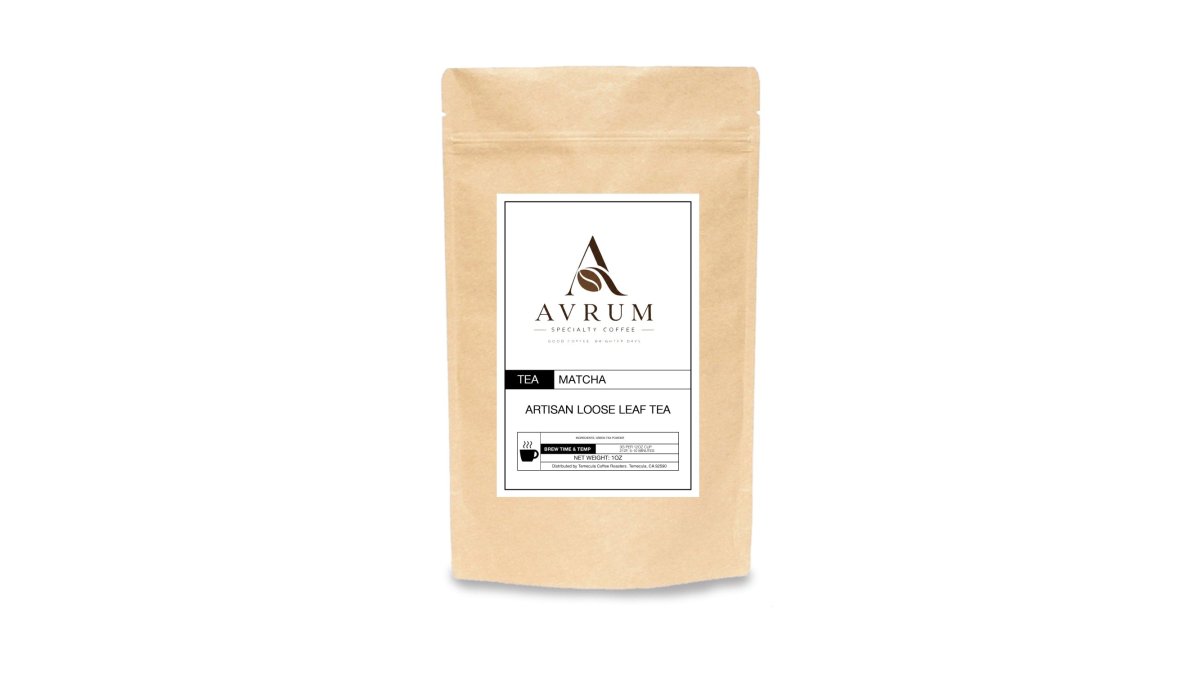
Use 1-2 teaspoons (roughly 2 grams) of matcha powder per serving. The exact amount depends on your preference for strength: start with 1 teaspoon if you prefer a lighter, more delicate tea, or use 2 teaspoons for a richer, more intense flavor. Using Avrum Coffee's ceremonial matcha ensures you're working with premium powder that dissolves smoothly and delivers consistent umami in every cup.
What temperature should the water be for matcha?
Water should be between 70-80°C (160-175°F), never boiling. Boiling water damages matcha's delicate flavor compounds and creates a bitter, astringent taste. Use a temperature-controlled kettle or let boiled water cool for 2-3 minutes before pouring. This temperature range preserves the vibrant color, smooth umami notes, and the natural sweetness that defines high-quality ceremonial matcha.
How do you whisk matcha without a bamboo whisk?
If you don't have a bamboo whisk, use a small handheld milk frother, a fine-mesh strainer, or even a fork to break up clumps and create froth. A milk frother works well for creating that silky, smooth texture. However, a traditional bamboo whisk is inexpensive and specifically designed to incorporate air without overworking the matcha, making it the most effective tool for achieving the authentic frothy finish.
How do you make ceremonial matcha less bitter?
Bitterness typically comes from water that's too hot, too much matcha powder, or low-quality matcha. Keep water at 70-80°C, measure carefully (1-2 teaspoons), and invest in premium ceremonial-grade matcha like Avrum Coffee's. Sift the powder before whisking to ensure even hydration, and whisk gently to avoid aerating too vigorously, which can intensify bitterness.
Brewing ceremonial-grade matcha at home is a ritual worth mastering. The right technique, fresh powder, and proper tools create a drink that's smooth, creamy, and full of subtle flavor. Start with quality matcha from Avrum Coffee, follow these steps carefully, and you'll have a cup that rivals any café. The investment in a good whisk and sifter pays off every single time you brew.