

Table of Contents
- Why tea matters for digestive comfort
- Best teas for digestion: Your options explained
- Drinks that help digestion: Symptom-based selection
- How to brew loose leaf tea for maximum benefit
- Safety, interactions, and when to seek help
- What realistic expectations look like
- Frequently Asked Questions
Last Updated: October 21, 2026
Why tea matters for digestive comfort
When your stomach feels off, natural tea alternatives can make a real difference. Many people turn to tea not just for comfort, but because certain varieties are known to be soothing.
Natural tea alternatives address a real problem: digestive discomfort disrupts your day, and you'd rather solve it naturally than reach for medication.
At Avrum Coffee, we understand that quality matters when it comes to what you put in your body.
The key is understanding what each tea does, when to drink it, and how to prepare it properly. That's where most people go wrong.
Best teas for digestion: Your options explained
Your comfort depends on choosing the right tea for what your body needs. Here's what is often recommended, broken down by the teas that have earned their reputation through consistent use and practical results.
Peppermint and mint tea for digestive ease
Peppermint is straightforward: it is often chosen for its soothing qualities. Mint tea is known for its calming properties.
The practical advantage is that peppermint tastes good, which means you'll actually drink it. Peppermint is refreshing and accessible.
Avrum Coffee's Moroccan Mint combines green tea with fresh mint for a smooth, vibrant blend that’s refreshing hot and next-level iced. The green tea base adds a layer of complexity while the mint offers a refreshing taste.
Steep peppermint tea for 5-7 minutes. Don't rush it. The longer steep time extracts more of the beneficial compounds. Drink it after meals or whenever digestive discomfort starts.
Ginger tea and stomach comfort
Ginger is often chosen for nausea and general stomach discomfort. The compounds in ginger, particularly gingerols, are known for their soothing properties. Ginger has a track record of practical effectiveness.
The thing most guides miss is that fresh ginger works better than dried, but dried ginger is more convenient. If you're making ginger tea at home, use fresh ginger root when you can. If you're buying prepared tea, dried is perfectly effective.
Ginger tea works best when you drink it before meals or at the first sign of stomach discomfort. The timing matters. A cup after the problem has already started is less effective than sipping one before you eat.
Fennel tea for bloating and gas relief
Fennel is often chosen for bloating and gas. The seeds contain compounds that are thought to help reduce fermentation in your digestive tract. This is one of the more specific applications, if bloating is your main issue, fennel is worth trying.
Fennel tastes slightly sweet and licorice-like. Some people love it immediately. Others need to acquire the taste. The best approach is to try it once and see how it sits with you. If it works, you've found a simple solution. If the flavor doesn't appeal, move to another option.
Steep fennel seeds for 8-10 minutes to extract the beneficial compounds fully. Drink it after meals, particularly after meals you know tend to cause bloating.
Chamomile tea and gut health
Chamomile is the gentle option. It is known for its soothing properties. Many people use chamomile in the evening specifically because it's calming, and it can be enjoyed throughout the day.
The broader benefit of chamomile is its gentle nature. Chronic discomfort often involves inflammation, so a regular chamomile practice can be a comforting routine over time. Think of it as maintenance rather than emergency relief.
Chamomile is also one of the safest options if you're sensitive to strong flavors or active compounds. It's mild, it's effective, and it pairs well with other practices that support digestive health.
Green tea and oolong: Gentler alternatives
Green tea and oolong are often chosen for their comforting properties. Both contain compounds that are known to be beneficial. They're also caffeinated, which matters if you're sensitive to caffeine or prefer evening tea.
Green tea is lighter and more delicate. Oolong is more complex and fuller-bodied. Both work. The choice depends on what flavor profile appeals to you and when you want to drink it.
Avrum Coffee's Jasmine combines hand-picked jasmine blossoms with green tea for a medium-bodied, sweet blend that's good for multiple steepings. The green tea base offers a smooth foundation while the jasmine adds floral complexity. This is green tea elevated, it's not just functional, it's something you'll genuinely want to drink.
Rooibos and herbal blends for caffeine-free support
Rooibos is a caffeine-free herbal infusion from South Africa, often called Red Bush Tea. It's naturally sweet and is known for its comforting properties without the stimulation of caffeinated options.
The advantage of herbal blends is that they combine multiple flavorful herbs in one cup. Avrum Coffee's Apple Cider Rooibos blends rooibos with cinnamon, orange peel, and natural spices. This creates a more complex flavor while layering comforting notes from multiple sources.
Rooibos steeps well for 8-10 minutes. It's forgiving, longer steeping doesn't make it bitter like some teas. You can drink it hot or iced, and it works equally well either way.
| Tea Type | Best For | Caffeine | Steep Time |
|---|---|---|---|
| Peppermint | General digestive ease | No | 5-7 minutes |
| Ginger | Nausea and stomach comfort | No | 5-8 minutes |
| Fennel | Bloating and gas | No | 8-10 minutes |
| Chamomile | Gentle soothing | No | 5-7 minutes |
| Green tea | Digestive support + energy | Yes | 3-5 minutes |
| Rooibos | Caffeine-free support | No | 8-10 minutes |
Drinks that help digestion: Symptom-based selection
The right tea depends on what you're actually experiencing. Choosing based on your specific symptom is more effective than picking a random option and hoping it works.
For nausea and indigestion
Nausea and indigestion often benefit from immediate, direct support. Ginger tea is a popular choice here. The compounds in ginger are often chosen for their soothing properties, and they are known to act relatively quickly. Drink ginger tea at the first sign of nausea, before it escalates.
Peppermint is the second option if ginger doesn't appeal to you or if you want to alternate between options. Both are known for their calming properties.
Timing matters. Drink these teas before meals if you know certain foods trigger indigestion, or immediately when symptoms start if they come unexpectedly.
For bloating and gas
Bloating comes from gas buildup in your digestive tract. Fennel is often chosen to address this. The compounds in fennel are thought to help reduce fermentation. If bloating is your main complaint, fennel is worth starting with.
Peppermint is also known for its soothing properties, which may help with gas by relaxing your digestive muscles, allowing gas to move through more easily. Think of it as supporting the mechanics of digestion rather than preventing the gas formation.
Drinking tea after meals, particularly after meals you know cause bloating, is more effective than drinking it randomly. Your body responds better to consistent timing.
For general digestive support
General comfort is different from addressing a specific symptom. You're looking for something you can drink regularly that contributes to a sense of well-being. Chamomile, green tea, and rooibos are all popular choices here.
The advantage of these options is that they're gentle enough to drink daily without concern. You can build them into your routine, perhaps a cup after lunch or in the evening. Over time, this consistent ritual adds up.
How to brew loose leaf tea for maximum benefit
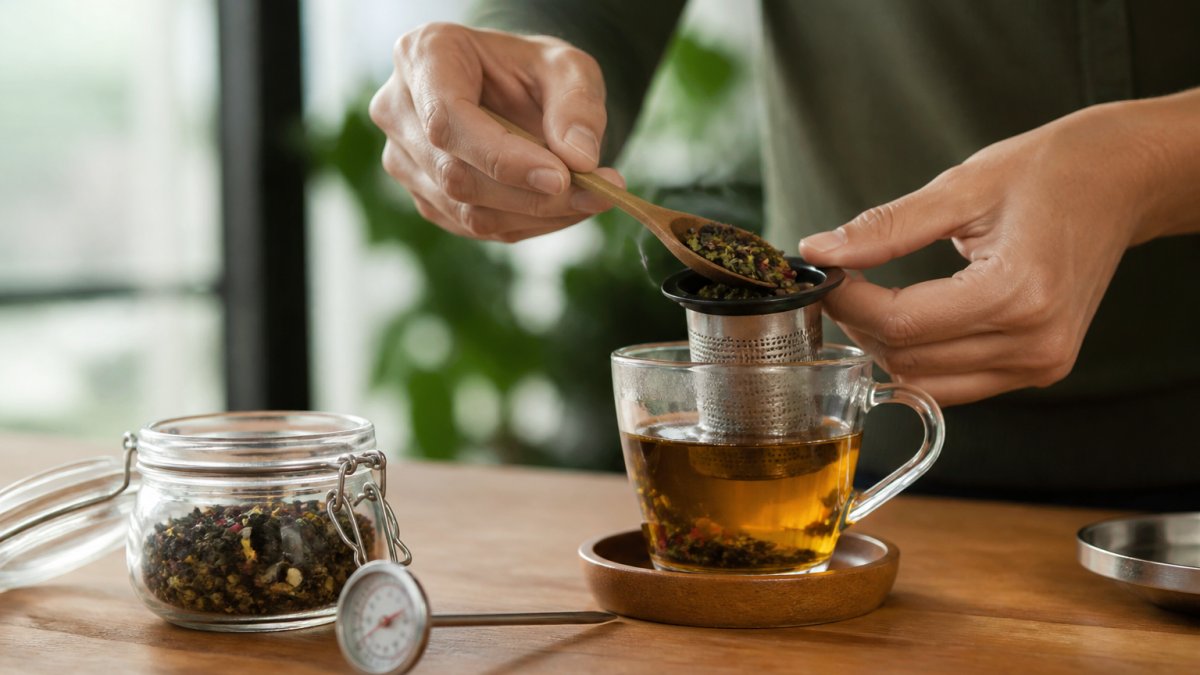
Brewing tea properly makes a measurable difference in how well it tastes. The wrong water temperature or steeping time means you're not extracting the full flavor you're after. Here's how to do it right.
Water temperature and steeping time
Water temperature is critical. Too hot and you can damage delicate compounds. Too cool and you won't extract what you need. The right temperature depends on the tea type.
Herbal infusions like peppermint, ginger, and chamomile typically need 200-212°F water. This is hot enough to extract the beneficial compounds without degrading them.
Green tea and delicate blends like Avrum Coffee's Jasmine need slightly cooler water, around 160-180°F. Boil water, then let it cool for 3-5 minutes before steeping.
Steeping time ranges from 5-10 minutes depending on the tea. Longer steeping extracts more compounds, but there's a point of diminishing returns. Most herbal teas reach their full flavor potential between 8-10 minutes.
Timing your tea for digestive support
When you drink tea matters as much as what you drink. Enjoying tea for comfort is often most effective when timed strategically.
Drink peppermint or fennel tea after meals. Your digestive system is active, and the tea can be a comforting addition to your body's natural processes.
For nausea or indigestion, drink ginger tea at the first sign of symptoms or before meals you know might cause problems. Enjoying it preventively can be more effective than reactively.
Chamomile and rooibos can be drunk anytime. They're gentle enough that timing is less critical. Many people find evening tea more practical because it fits into their routine naturally.
Safety, interactions, and when to seek help
Most teas are safe for regular use, but some interactions and cautions exist. Understanding them keeps you safe while getting the benefits you're after.
Peppermint and fennel are generally safe, but they can interact with certain medications.
Ginger is safe for most people, but it can increase bleeding risk if you're on blood thinners.
Chamomile is one of the safest options, but people with ragweed allergies may react to it.
The broader principle: if you're on medication or have a diagnosed condition, mention herbal tea to your healthcare provider.
When digestive symptoms persist despite dietary changes and regular tea, seek medical attention. Chronic digestive discomfort can indicate conditions that need professional evaluation.
What realistic expectations look like
Tea can be a comforting beverage, but it's not a miracle cure. Realistic expectations keep you from being disappointed.
Most people notice a sense of comfort within a few days to a week of consistent use.
If you try a tea for two weeks and notice no change, it probably isn't the right option for you.
Consistency matters more than occasional use. A cup of peppermint tea once a month won't deliver the same comforting experience as a cup after meals regularly.
The best tea is one you'll actually drink. This is why flavor matters.
Digestive comfort shouldn't require complicated solutions. The right natural tea alternative for better digestion fits seamlessly into your day and delivers real results.
Frequently Asked Questions
What's the best tea to help digestion?
The best tea for comfort depends on your specific needs. Peppermint tea is often chosen for general comfort and bloating, ginger tea for nausea and indigestion, and fennel tea for gas and cramping. Green tea is known for its comforting properties with gentle caffeine, while chamomile is often chosen to soothe before bed. Rooibos offers caffeine-free herbal comfort. Start with one option aligned to your needs and adjust based on how your body responds.
How do you brew loose leaf tea for the best digestive benefits?
Use water between 160-212°F depending on the tea type. Delicate herbal infusions like chamomile steep for 5-10 minutes at lower temperatures, while heartier blends like ginger can handle boiling water. Use approximately 1 teaspoon of loose leaf per 8 ounces of water. Steep fully to extract the full flavor. Drink within 30 minutes after a meal for maximum enjoyment, or before meals to prepare your palate.
Can I drink tea if I have diarrhea or other digestive issues?
Some teas are comforting, others may not be suitable for certain symptoms. Chamomile and ginger tea are often chosen for their gentle nature during digestive upset. Avoid high-caffeine teas like strong green tea, as caffeine can increase intestinal movement. Rooibos and fennel are soothing alternatives. If symptoms persist beyond a few days, worsen, or include fever or severe pain, consult a healthcare provider rather than relying on tea alone. Always check for medication interactions if you take digestive or other medications.
Which herbal teas are best for bloating and gas?
Fennel, peppermint, and ginger teas are often chosen for bloating and gas relief. Fennel contains compounds that are thought to relax digestive muscles and reduce gas formation. Peppermint is known for its soothing properties and may ease cramping. Ginger is often chosen for its comforting qualities. Rooibos blends with spices like cinnamon also offer comfort. Drink these teas after meals or when symptoms occur, allowing 15-20 minutes for the flavors to settle.