

Table of Contents
- Why Your Home Office Deserves a Better Peet's Coffee Alternative
- Quick Comparison: Top Coffee Alternatives for Home Office
- Matching Peet's Flavor Profile: Dark Roast Coffee Beans and Beyond
- The Importance of Fresh Roasted Coffee Beans for Your Workday
- Finding the Best Coffee for Home Office: Brew Method Compatibility
- Convenience and Cost: Coffee Subscription for Home Delivery
- Daily Caffeine Needs: Breakfast Blend vs. Breakfast Blend +
- Conclusion: Choosing Your Ideal Home Office Coffee
- Frequently Asked Questions
Last Updated: October 5, 2026
Why Your Home Office Deserves a Better Peet's Coffee Alternative
If your home office coffee routine has become a stale, bitter afterthought, you are not alone in searching for a peets coffee alternative.
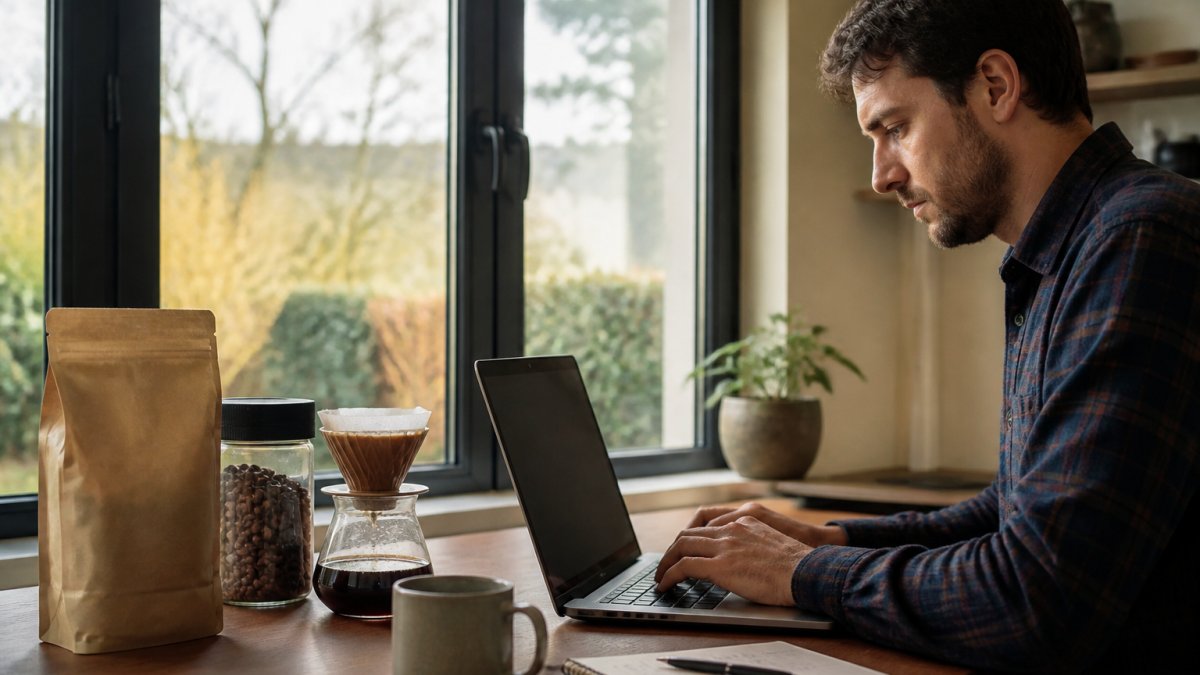
The Problem with Grocery Store Coffee and Stale Beans
The core issue is freshness, not brand loyalty. Coffee begins losing its aromatic oils the moment it is roasted, and most bags on a supermarket shelf carry no roast date at all. Many roasters recommend brewing within a few weeks of the roast date for peak flavor, a point echoed in general coffee freshness guidance from the Specialty Coffee Association.
Quick Comparison: Top Coffee Alternatives for Home Office
The fastest way to choose is to match each option to how you actually brew and how much caffeine you want. Here is how our five blends line up for a workday setup.
| Coffee | Roast Level | Tasting Notes | Best For | Price |
|---|---|---|---|---|
| Latin American Blend | Medium-dark | Nutty, mild fruit, cocoa | Espresso and drip | $24.99 |
| Gourmet Donut Shop | Light-medium | Cocoa, caramel, toffee | Drip and pour-over | $24.99 |
| House Blend | Medium | Nutty, sweet chocolate, citrus | All-rounder | $24.99 |
| Breakfast Blend | Medium | Smooth, South American | Light morning cups | $24.99 |
| Breakfast Blend + | Medium | Smooth, extra caffeine | Long workdays | $24.99 |
Matching Peet's Flavor Profile: Dark Roast Coffee Beans and Beyond
If you drink Peet's for its bold, smoky character, you are chasing body and low acidity more than any single origin. You do not need a charred bean to get there: a well-developed medium-dark roast delivers the same richness with more nuance.
Latin American Blend: The Medium-Dark Match
Our Latin American Blend is the closest flavor match for anyone who loves a dark roast coffee beans profile without the burnt edge. It is a medium-dark roast of select Latin American coffees with nutty hints, mild fruity tones, and a gentle cocoa aftertaste. The beans are shade grown in Central American rain forests and volcanic soil near the Amazon, then washed and sun dried for up to seven days.
Gourmet Donut Shop: Balanced Sweetness for Drip Brewing
Not everyone wants a heavy cup at 8 a.m. Our Gourmet Donut Shop is a light-medium roast with notes of cocoa, caramel, toffee, and mild fruits. It is balanced but stronger than a lighter breakfast blend, making it a strong pick for drip coffee makers. The caramel and toffee read as sweetness rather than sugar, so it stays smooth without cream.
The Importance of Fresh Roasted Coffee Beans for Your Workday
Freshness is the single biggest lever you control, and the one most home offices ignore. Fresh roasted coffee beans taste brighter and more complex because the aromatic compounds have not faded. Here is what actually matters for a workday routine.
How to Read a Roast Date (and Why It Beats a Best-By Date)
A best-by date tells you nothing about when the coffee was roasted; a roast date does. Most specialty roasters print it on the bag, often as a stamped day/month or a "roasted on" line.
For a home office, the practical window is simple: peak flavor typically falls between 4 and 21 days after the roast date for whole bean coffee. Before day 4, beans may still be degassing and brew unevenly.
How Freshness Changes Flavor (and What to Do About It)
Freshness does not just affect intensity; it changes the flavor notes themselves. A medium-dark roast with cocoa and nut notes tastes sweet and rounded at peak freshness, then turns woody and muted as it ages. A light-medium roast loses its sweetness first, which is why an old balanced blend can taste thin and bitter. If your coffee tastes harsh no matter how you brew it, check freshness before blaming your grinder or water.
Storage That Actually Works for a Home Office
The goal of storage is to slow oxidation and limit moisture, heat, and light. A few rules:
- Keep the bag sealed and upright. One-way valve bags let CO2 escape without letting oxygen in. If you transfer beans, use an opaque airtight container and squeeze out excess air.
- Store in a cool, dark cupboard. Keep it away from the stove, dishwasher, or a sunny window; temperature swings speed up staling.
- Skip the fridge and freezer door. Constant temperature and moisture changes make it the worst spot. To freeze long-term, use an airtight container, freeze in small portions, and let beans reach room temperature before grinding.
- Buy smaller amounts more often. A 12-ounce bag finished within two weeks beats a 2-pound bag that goes flat by week three.
A Simple Freshness Checklist for Your Workday
Before you brew tomorrow, check three things: does the bag have a roast date, is that date within the last three weeks, and are the beans stored airtight away from heat and light? If yes to all three, you are ahead of most home offices. If not, fixing freshness will improve your cup more than switching brands ever will.
Finding the Best Coffee for Home Office: Brew Method Compatibility
The best coffee for home office setups depends on your brewer, because grind and roast interact with how water moves through the coffee. Here is a simple guide.
- Drip coffee maker: Medium and light-medium roasts shine; Gourmet Donut Shop and House Blend are ideal.
- Espresso: A medium-dark roast with body holds up to pressure; Latin American Blend is the pick.
- French press: A medium-dark roast with low acidity works well; Latin American Blend again.
- Pour-over: Lighter, sweeter roasts let the caramel and fruit notes come through; Gourmet Donut Shop fits.
- Cold brew: A medium-dark roast gives a smooth, low-acid concentrate; Latin American Blend works.
If you brew more than one way, House Blend is our all-rounder: a medium roast of Central and South American coffees with medium body and notes of nutty, sweet chocolate, mild citrus, and a clean bright finish.
Convenience and Cost: Coffee Subscription for Home Delivery
A coffee subscription for home delivery solves the freshness problem by shipping on a schedule rather than whenever you remember to reorder. But the real question is cost per cup and total brewing cost. Here is how the math works.
Cost Per Cup: The Math Most Guides Skip
At $24.99 per 12-ounce bag, you get roughly 340 grams of coffee. At the standard ratio of about 2 tablespoons (10 to 12 grams) per 6-ounce cup, that bag yields approximately 28 to 34 cups, or roughly $0.73 to $0.89 per cup before filters, water, or milk.
Compare that to café drip coffee at $2.50 to $4.00 for a similar size. Even a $1.50 office-park coffee adds up: two cups a day, five days a week, is $15 per week, or about $60 per month.
Total Home-Brewing Cost: What Else to Factor In
Cost per cup is only part of the picture. A realistic home-office budget should account for:
- Filters: Paper filters run a few cents per brew. A reusable metal or cloth filter costs more upfront but pays for itself over months.
- Water: Filtered water means replacement cartridges; if your tap water tastes fine, this is negligible.
- Grinder: A burr grinder is a one-time cost that improves consistency and lets you buy whole bean, which stays fresher longer. Blade grinders are cheaper but produce uneven particles that can make good beans taste bad.
- Cleaning and descaling: Descaler and cleaning tablets are occasional costs, but neglecting them shortens your brewer's life and can affect flavor.
Added up, home brewing typically lands between $0.80 and $1.20 per cup depending on your setup, still well below café prices, with the convenience of never leaving your desk.
Subscription vs. One-Off Orders: Which Fits a Workday?
A subscription makes sense if you drink coffee most workdays and want to stay inside the freshness window without thinking about it.
A practical middle ground is a two-week delivery cycle if you drink one or two cups a day, keeping you inside the 4-to-21-day peak flavor window. If you drink less, a monthly cycle with a smaller bag may work better.
The Workday Convenience Factor
Beyond cost, the real win is time. A midweek store run costs 20 to 40 minutes plus the risk of a bag with no roast date. A subscription removes that errand and ensures fresh coffee arrives. For remote workers, that time savings often outweighs the per-cup difference. The goal: good coffee shows up on schedule, you brew it within its peak window, and you never think about it during a busy workday.
Daily Caffeine Needs: Breakfast Blend vs. Breakfast Blend +
Caffeine tolerance decides this one. Our Breakfast Blend is a medium roast of smooth South American coffee, built for a gentle start. Breakfast Blend + is the same base with added Robusta for extra caffeine, suiting long workdays or an afternoon slump. If you are caffeine-sensitive, the standard keeps you alert without jitters; if you need a bigger lift, the plus version delivers without changing the flavor much.
Conclusion: Choosing Your Ideal Home Office Coffee
The hard part is not finding a Peet's substitute, it is committing to freshness over habit. Pick a blend that matches your brewer, order on a schedule that keeps beans inside their flavor window, and your morning cup stops being a compromise. Avrum Coffee roasts fresh and offers single-origin and blended options so you can match roast and brew method precisely. Get started with Avrum Coffee and make every workday cup worth savoring.
Frequently Asked Questions
What is a good Peet's coffee alternative for a home office?
A good Peet's coffee alternative for a home office should offer fresh roasted coffee beans with a similar dark or medium-dark flavor profile. Look for a roaster that provides clear roast dates and convenient home delivery. Avrum Coffee's Latin American Blend offers a medium-dark roast with nutty hints and a gentle cocoa aftertaste, making it a strong match for those who enjoy a bolder cup while working from home.
Which coffee brands offer a dark roast similar to Peet's?
When searching for a dark roast coffee beans alternative, focus on roasters that offer medium-dark to dark roasts with low acidity and rich body. Avrum Coffee's Latin American Blend is a medium-dark roast featuring nutty hints, mild fruity tones, and a gentle cocoa aftertaste. It provides the full flavor and depth you expect from a dark roast, making it an excellent choice for a home office setup.
What should I look for in fresh roasted coffee beans?
When buying fresh roasted coffee beans, always check for a visible roast date on the bag. For peak flavor, it's generally recommended to brew within a few weeks of the roast date. Look for roasters that ship quickly after roasting to ensure you receive the beans during their optimal window. Whole bean coffee retains its flavor longer than ground coffee, so investing in a grinder can make a noticeable difference in your daily cup.
Are coffee subscriptions worth it for a home office?
A coffee subscription for home delivery can be worth it if you value convenience and consistent access to fresh beans. Subscriptions ensure you never run out of coffee and often ship immediately after roasting, so you get the beans during their peak flavor window. For a home office, this means you can maintain a reliable, high-quality coffee ritual without needing to remember to reorder.
Which coffee roast works best for drip coffee at home?
For drip coffee at home, a medium or medium-dark roast often works best because it balances sweetness and body without becoming too bitter. Avrum Coffee's Gourmet Donut Shop is a light-medium roast with tasting notes of cocoa, caramel, and toffee, offering a balanced morning cup. If you prefer a stronger flavor, the Latin American Blend's medium-dark roast provides more depth for your drip coffee maker.