

Table of Contents
- What Single-Origin Coffee Means and Why It Matters
- How Coffee Subscription vs One-Time Purchase Compares
- Freshness and Roast-to-Order: The Core Advantage
- Finding the Best Coffee Subscription for Your Taste
- Organic Single Origin Coffee Online: Sourcing and Traceability
- Matching Origin and Roast to Your Brewing Method
- Total Cost and Value: What You're Actually Paying For
- Frequently Asked Questions
Last Updated: October 14, 2026
What Single-Origin Coffee Means and Why It Matters
Single-origin coffee refers to beans sourced from one specific region, farm, or even a single harvest, rather than blended from multiple origins. It gives you traceability and consistency: you know where your coffee comes from, how it was grown, and what flavor profile to expect.
Single-origin beans highlight the unique characteristics of their terroir, altitude, soil, climate, and processing method. A Colombia coffee tastes different from an Ethiopia coffee not because of roasting alone, but because of where it grew. Subscribing means discovering those regional differences rather than smoothing them into a uniform house blend.
Many professionals working from home treat coffee as intentional self-care, not just caffeine. Single-origin subscriptions deliver that consistently: you're not guessing what you'll get, but exploring a curated progression of origins selected for quality and flavor.
How Coffee Subscription vs One-Time Purchase Compares
Choosing between a coffee subscription vs one-time purchase comes down to four variables most buyers never calculate: per-cup cost, freshness at the moment of brewing, waste from stale bags, and the hidden cost of reordering. Competitors usually stop at "subscriptions are convenient." Here's the actual math.
Per-cup cost. A 12oz bag brewed at a 1:16 ratio yields roughly 24-28 cups. At $24.99 per bag, that's about $0.90-$1.05 per cup. Grocery coffee at $10-12 per bag lands around $0.40-$0.50 per cup, but only if you finish it before it goes stale. Brew one cup a day and the last third is flat, pushing your cost per enjoyable cup back toward the premium range.
Freshness. Coffee peaks roughly 7-14 days after roast, then declines. A roast-to-order subscription puts beans in your grinder inside that window; a grocery-shelf purchase is often 4-12 weeks post-roast when you open it. You're comparing fresh coffee to preserved coffee.
Waste. One-time buyers routinely toss the last quarter of a stale bag, or brew it anyway and drink a worse cup. Subscribers on a right-sized schedule waste less because the next bag arrives before the current one dies.
Reordering friction. A one-time purchase means noticing you're low, ordering, waiting for shipping, and accepting a multi-day gap. Subscriptions remove that gap, but you commit to a cadence and must pause or skip when you travel.
| Factor | Subscription | One-Time Purchase |
|---|---|---|
| Per-cup cost (single-origin) | ~$0.90-$1.05 | ~$0.40-$0.50 (grocery) |
| Freshness at brew | 7-14 days post-roast | Often 4-12 weeks post-roast |
| Waste from stale beans | Low if cadence is right | High for slow drinkers |
| Reordering effort | None | Manual, with supply gaps |
| Cost predictability | Fixed monthly spend | Variable, spikes when you forget |
| Discovery | Curated origin rotation | Whatever the shelf stocks |
| Flexibility | Pause, skip, or cancel | Buy whenever |
When one-time wins. If you drink fewer than a cup a day, travel frequently, or enjoy buying ad hoc, a subscription can outpace your consumption and create its own waste. Buy single bags from roasters who ship within 48 hours of roast and accept the higher per-bag price as the cost of flexibility.
When subscription wins. If you brew daily and want beans arriving in their peak window, the subscription is cheaper per enjoyable cup even though it costs more per bag. The premium buys timing, traceability, and no reordering friction.
Freshness and Roast-to-Order: The Core Advantage
Freshly roasted coffee subscription services control the entire timeline: the roaster roasts your beans, packages them immediately, and ships within 24-48 hours, so you receive coffee still in its prime flavor window.
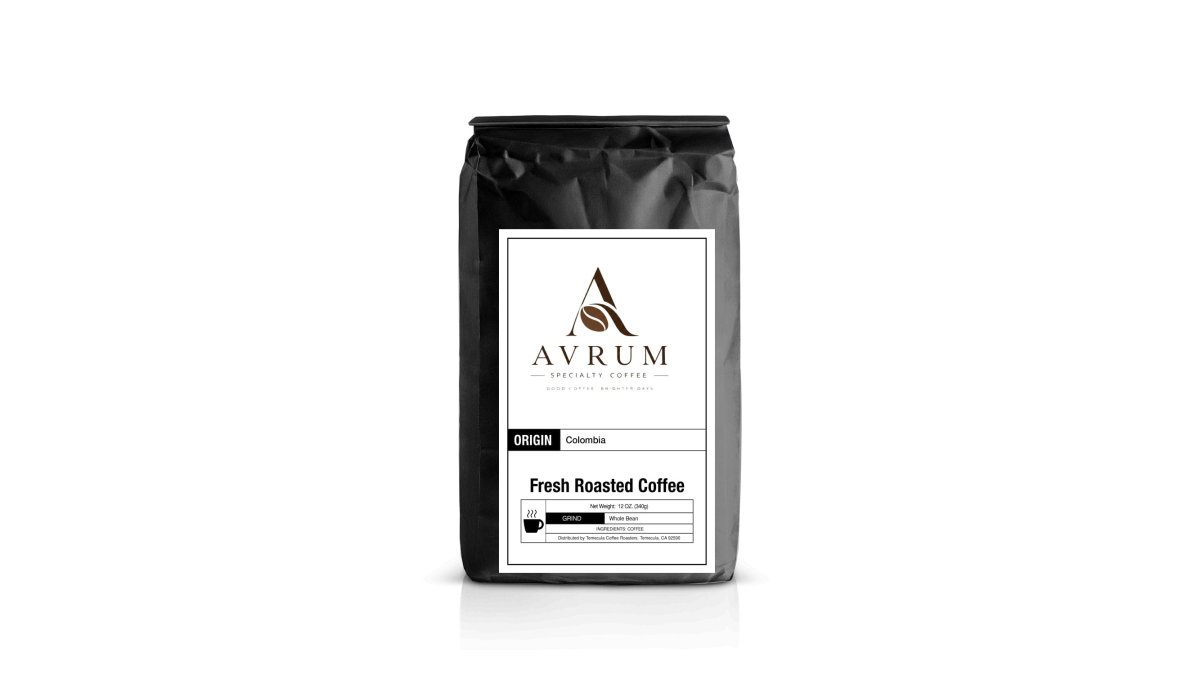
Roast-to-order means the roaster doesn't pre-roast in bulk and hold inventory, they roast after you order. It guarantees freshness but requires capacity and supply chain discipline. Avrum Coffee handles this by roasting in small batches.
The flavor difference is noticeable. At day 3 post-roast, coffee tastes brighter with complex fruity or floral notes; by day 14 those notes flatten. If you're paying premium prices for single-origin beans, roast-to-order delivers them at their best.
Storage matters too. Keep beans in an airtight container away from light and heat. Whole beans stay fresher longer than ground, grinding exposes more surface area to oxygen, accelerating degradation. Grinding at home just before brewing preserves maximum flavor from that 7-10 day window.
Finding the Best Coffee Subscription for Your Taste
Selecting a single origin coffee subscription requires matching three things: your brewing method, your flavor preferences, and the origin's roast profile.
Start with your brewing method. Pour-over, French press, espresso, and Aeropress each extract differently. A light roast shines in a pour-over, where finer grind and hot water pull out bright, fruity notes, but can taste thin and under-extracted in a French press. Medium and medium-dark roasts are more forgiving across methods, which is why they're common in subscription rotations.
Next, consider the flavors you want. For chocolate, caramel, and spice, look to Brazil, Honduras, or Bali, typically medium to medium-dark roasts. For fruity, floral, or tea-like qualities, Ethiopia and Kenya, often roasted light to medium-light, deliver berries, jasmine, and stone fruit.
The Sample Pack approach works well here. Avrum Coffee's Single Origin Favorites Sample Pack includes six 2oz packs: Brazil Santos, Colombia, Costa Rica, Ethiopia Natural, Honduras, and Tanzania. You taste across regions and roast levels without committing to full bags, discovering what actually appeals to your palate.
Organic Single Origin Coffee Online: Sourcing and Traceability
When you buy organic single origin coffee online, you're paying for transparency, but "organic" and "traceable" are not the same claim, and most subscription pages blur them. Here's how to tell them apart before you commit.
What organic certification covers. Organic certification verifies that the grower followed defined standards for soil, pest, and fertilizer management, audited by a recognized body. It says nothing about price paid to the farmer, working conditions, or cup quality, a coffee can be certified organic and still sourced through commodity channels.
What traceability adds. Traceability is the roaster's ability to name the specific farm, cooperative, region, altitude, varietal, and processing method behind a bag, ideally plus the price paid to the producer. The more data points published, the more verifiable the sourcing story. Many premium roasters list region and process but omit farm-gate price; the strongest programs publish all of it.
A practical sourcing checklist. Before subscribing, look for these on the roaster's product page or origin report:
Single Origin Favorites Sample Pack →
- Farm or cooperative name, not just "Ethiopia" or "Colombia."
- Region and altitude, altitude is a strong proxy for bean density and flavor potential.
- Varietal, heirloom, Bourbon, Typica, Gesha, and others behave differently in the cup.
- Processing method, washed, natural, honey, anaerobic; this shapes flavor as much as origin.
- Harvest year, coffee is a crop; last year's harvest tastes like last year's harvest.
- Price transparency, some roasters publish farm-gate or FOB prices; many don't.
- Relationship length, multi-year relationships signal stability for the grower, not just a one-off lot purchase.
If a roaster can't answer most of these, that's a signal they're buying through intermediaries and may not know the farm themselves.
Why direct relationships change the cup. Buying directly from a cooperative lets a roaster specify processing, fermentation time, drying method, sorting standards, and pay a premium for the result. That feedback loop is how a washed Colombia from one cooperative tastes distinctly different from one bought on the spot market, and it means more of your dollar reaches the producer.
How to verify without a farm visit. Ask the roaster directly: which farm, which harvest, which process, and what did you pay? Reputable specialty roasters answer in writing. If you get marketing language instead of specifics, treat the premium as a flavor bet, not a sourcing claim.

Sourcing transparency is the difference between paying for a story and paying for a verifiable chain from farm to bag. The subscription that publishes the most specifics usually has the least to hide.
Matching Origin and Roast to Your Brewing Method
The relationship between origin, roast level, and brewing method determines whether you experience the coffee's best qualities or its worst.
Light roasts preserve origin characteristics, the fruity, floral, acidic notes that define where the bean grew. They work best in fast, clean extraction: pour-over, AeroPress, or espresso with a fine grind. Slow-steeping methods like French press can under-extract them, leaving them sour.
Medium roasts balance origin character with roasting notes, caramel, chocolate, nuts. They're versatile across most brewing methods. A medium roast Colombia tastes good whether you pour-over it or use a French press.
Medium-dark and dark roasts emphasize roasting notes over origin character. The longer the roast, the more the roaster's skill shapes the cup and the less origin matters, a dark roast from Ethiopia tastes similar to one from Brazil, both delivering chocolate, molasses, and spice. If you want consistency over origin complexity, dark roasts deliver.
The Ethiopia Natural in Avrum Coffee's lineup is roasted medium-light, preserving its fruity, caramel character. The Bali Blue is medium-dark, bringing out chocolate and molasses.
Match your method to the roast, then match the origin to your taste preference. This sequence prevents disappointment.
Total Cost and Value: What You're Actually Paying For
A premium single origin coffee subscription costs more than grocery store coffee. Understanding what you're paying for makes that premium defensible.
Avrum Coffee's individual single-origin coffees run $24.99 per bag, roughly double or triple mass-market grocery coffee. The Sample Pack is $21.99 for six 2oz packs, about $3.66 per ounce; a standard 12oz bag breaks down to $2.08 per ounce.
That price covers freshness (roasted days ago, not months), sourcing (direct grower relationships cost more than commodity coffee), quality control (small-batch roasters taste every roast), and convenience (it arrives on your schedule).
Grocery coffee often costs $8-12 per 12oz bag. It's cheaper because it's roasted in bulk, warehoused, and sold through retail channels that add markup at each step, by the time it reaches you, it's weeks old. You're paying for distribution efficiency, not flavor.
The value question isn't whether premium coffee is cheaper, it isn't, but whether the experience justifies the cost. If you drink one or two cups daily as self-care, the difference between stale grocery coffee and fresh single-origin is noticeable. If you drink eight cups a day and barely taste it, the premium isn't worth it.
For remote workers treating coffee as intentional self-care, that's often worthwhile.
Premium single origin coffee subscriptions solve a specific problem: delivering fresh, traceable, flavorful coffee to your door on a schedule you control. The real question is whether freshness, traceability, and origin complexity matter to your daily ritual. If they do, a roaster like Avrum Coffee that emphasizes roast-to-order freshness and direct sourcing delivers consistent value. Start with a sample pack to discover which origins and roast levels appeal to your palate.
Frequently Asked Questions
What are the benefits of a single-origin coffee subscription?
Single-origin coffee delivers beans from a specific region or farm, offering consistent flavor profiles, traceability, and fresh roasts. You get to experience how origin, altitude, and processing method shape taste, something blends obscure.
How does a coffee subscription guarantee freshly roasted beans?
Avrum's roasts beans to order and ships within days, not weeks. You'll see a roast date on every bag. Grocery store coffee sits on shelves for months, losing aromatics. Your beans arrive at peak freshness.
Is a premium coffee subscription worth the cost compared to grocery store coffee?
Yes, if you value taste and freshness. Premium single-origin beans cost more upfront but deliver superior flavor, with no bitterness or burnt notes. If you brew daily, you get café quality at home.
Can I pause or cancel a coffee subscription?
Avrum offers flexible options. Read the terms carefully, legitimate roasters make cancellation straightforward.