

Table of Contents
- What Makes Premium Coffee Pods Different
- Coffee Pod Freshness and Shelf Life
- How to Make Coffee Pods Taste Better
- Coffee Pods vs Freshly Ground Coffee
- Best-Tasting K-Cup Pods and Premium Options
- Why Some Coffee Pods Taste Flat or Weak
- The Real Cost of Premium Coffee Pods
- Frequently Asked Questions
Last Updated: October 17, 2026
What Makes Premium Coffee Pods Different
Premium coffee pods taste better because they start with better beans and better execution.
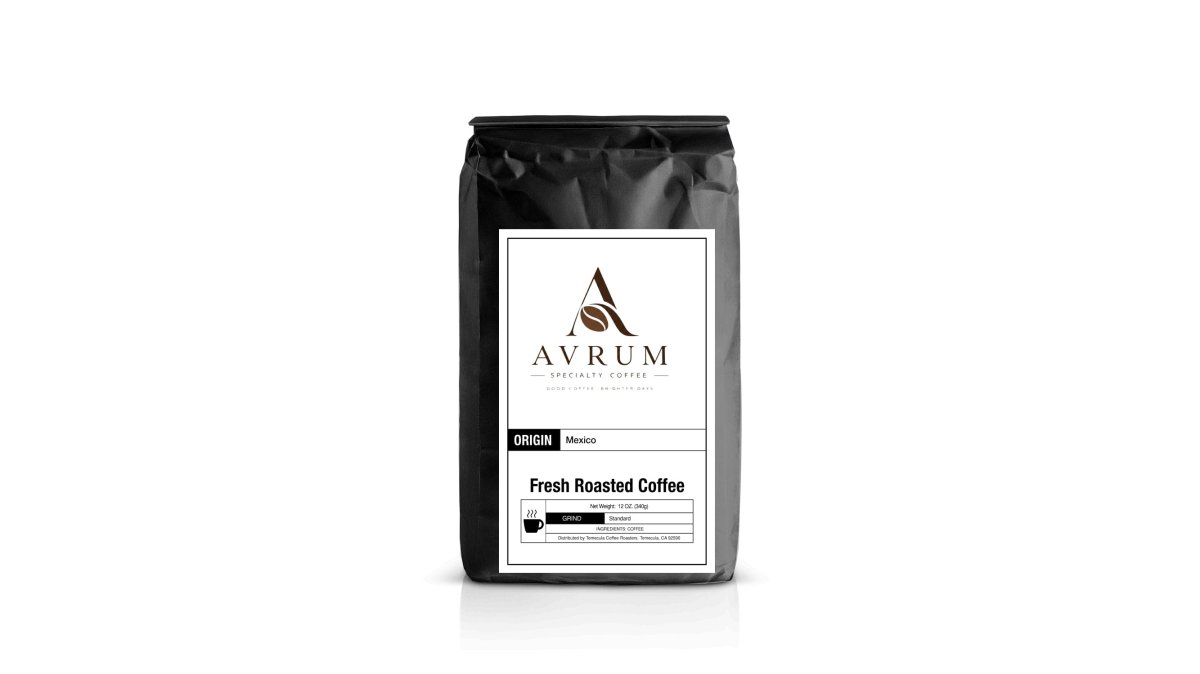
At Avrum Coffee, the biggest factor separating premium pods from grocery store options is bean selection and roast quality. Mass-market pods use commodity-grade beans that lose their character by the time they're ground and sealed; premium pods use beans selected for flavor first, then roasted to bring out their best qualities.

Bean selection and roast quality
The beans you choose determine your ceiling: a perfectly brewed cup from mediocre beans still tastes mediocre, while exceptional beans can surprise you even when brewed poorly.
Premium coffee pods source single-origin or carefully curated blended beans.
Blended pods combine beans from multiple regions for a balanced, consistent cup. A premium blend pulls from specific, high-quality sources and balances them deliberately, not a dumping ground for leftover inventory.
Roast quality matters just as much: light roasts bring out acidity and brightness, medium roasts balance acidity with body, and dark roasts emphasize boldness and bitterness.
Single-origin versus blended options
Single-origin pods offer traceability and character. You know where the beans came from and can taste the terroir, a Peru coffee pod from a single cooperative tastes different from an Ethiopian or Colombian one because the growing conditions differ.
Blended pods offer consistency and balance, engineered for a reliable experience every time.
The choice comes down to your ritual: single-origin if you're curious about regional flavor variation, blended if you want a dependable, well-balanced cup every morning.
Coffee Pod Freshness and Shelf Life
Freshness is where most coffee pods fail. A pod sitting on a shelf for six months tastes flat because the coffee inside has oxidized and lost the volatile aromatics that make coffee taste alive.
Premium pods address this with oxygen sealing and roast-date transparency, and freshness also depends on how quickly you brew them after roasting.
Oxygen sealing and preservation
The moment coffee is roasted and ground, it starts to degrade. Oxygen breaks down the compounds that create flavor and aroma: a poorly sealed pod lets oxygen in steadily, while a well-sealed pod keeps it out almost completely.
Premium pods use hermetic sealing, meaning no air inside the pod at all.
The seal also matters for consistency: if oxygen leaks in gradually, some pods in a box taste fresher than others, while a proper seal means every pod tastes the same.
Roast date and optimal flavor window
Timing is the problem: if a pod takes a week to ship after roasting, you're already at day seven, and any longer puts you past the peak. That's why roast-date transparency matters, a premium roaster prints the roast date so you know what you're getting.
Most grocery store pods don't print roast dates. You have no idea how long they've been sitting in warehouses and on shelves.
How to Make Coffee Pods Taste Better
Even with a premium pod, brewing technique dramatically affects the final cup, a great pod brewed poorly tastes worse than a decent pod brewed well.
Water quality and temperature control
Water is 98% of your cup. Bad water ruins good coffee. Filtered water tastes noticeably better than tap water because it removes chlorine, sediment, and minerals that interfere with flavor extraction.
Temperature matters too: the ideal range is 195-205°F. Too cold and extraction is incomplete, leaving the cup weak and sour; too hot and you over-extract, leaving it bitter and burnt.
Hard water also interferes with extraction and leaves mineral deposits inside your brewer. If your tap water is hard, switch to filtered or distilled, the difference in cup quality is immediate.
Brewer maintenance and filter design
A clean brewer brews better coffee. Mineral buildup creates channels where water flows too fast, under-extracting the grounds. If you brew daily, run a cleaning cycle monthly, most brewers have a cleaning mode.
Filter design affects how water contacts the grounds. A poorly designed filter lets water shoot straight through, so some areas over-extract and others under-extract, leaving the cup inconsistent. Premium pods use improved filter designs that slow water flow slightly and increase ground contact, Avrum Coffee's capsules stop coffee from shooting right through the middle, absorbing more grounds for a lively cup without slowing brew time.
Brew strength settings and extraction time
Most pod brewers offer strength settings: "strong" typically means longer contact time between water and grounds, increasing extraction and body, while "regular" is faster.
If your coffee tastes weak, try the strong setting; if it tastes bitter, try regular. Some brewers also let you adjust brew size, a smaller volume means more concentrated extraction, a larger volume more diluted. Experiment to find what tastes best to you.
Extraction time matters: a 30-second brew extracts differently than a 60-second brew. If your brewer lets you control it, adjust slightly, most people don't realize how much control they have over the final cup.
Coffee Pods vs Freshly Ground Coffee
The convenience-versus-quality trade-off is real, but narrower than most people think.
Extraction efficiency and surface area
Freshly ground coffee has more surface area exposed to water, which speeds extraction. A pod's grounds are pre-ground and pre-measured, so extraction is slightly less efficient and a pod might under-extract compared to the same beans ground fresh.
But grinding fresh also requires the right grinder, technique, and brewing method, and most people don't have all three. A premium pod brewed correctly often tastes better than freshly ground coffee brewed carelessly.
The surface area difference also depends on grind size, finer grinds have more.
Consistency and convenience trade-offs
A pod delivers the same cup every time: consistent grind size, dose, and brew time. That's valuable if you just want good coffee without thinking about it.
60 Pack Single Serve Coffee Capsules →
Freshly ground coffee is more variable, grind size depends on technique, dose on scale accuracy, brew time on method. That variability is also where flavor experimentation happens: to dial in a cup to your exact preferences, fresh grinding gives you more control.
For busy remote workers who value convenience, pods win. For coffee enthusiasts who prioritize control and experimentation, fresh grinding wins. Most people are somewhere in the middle, they want good coffee with minimal fuss.
| Aspect | Coffee Pods | Freshly Ground |
|---|---|---|
| Consistency | Identical every brew | Varies with technique |
| Convenience | 60 seconds, no cleanup | 5-10 minutes, grinder cleanup |
| Flavor ceiling | Limited by grind size | Higher with skill |
| Cost per cup | $0.33-0.50 | $0.25-0.40 |
| Experimentation | Limited | High |
Best-Tasting K-Cup Pods and Premium Options
Not all pods are created equal. Here's what separates the good from the flat.
What to look for in a quality pod
Look for roast date first. If it's not printed on the box, skip it. A roast date tells you the coffee is fresh and that the roaster is confident about quality.
Look for bean origin or blend transparency.
Look for sealed packaging. A properly sealed pod has no air inside. Press it gently, it should feel firm, not puffy. A puffy pod means air has gotten in and oxidation has started.
Avrum Coffee's Original Roast blend checks all three boxes: a premium blend sealed with no oxygen inside so the coffee stays fresh, with an improved filter design that absorbs more grounds for a lively cup.
Single-origin pods and flavor profiles
Single-origin pods let you taste regional differences. A Mexico coffee pod from Chiapas tastes different from a Peru coffee pod from Piura. The Mexico beans bring lemon, brown sugar, and dark chocolate notes.
These aren't marketing descriptions. They're tasting notes based on the beans' actual chemistry. The altitude, soil, and process of each region create different flavor compounds (Does Coffee Have Terroir and How Should It Be Assessed?). A skilled roaster brings those out.
If you're new to single-origin pods, start with one and brew it several times. Let your palate adjust. Then try a different origin. The differences become obvious once you know what to listen for.
Why Some Coffee Pods Taste Flat or Weak
A flat or weak pod usually comes down to two things: stale coffee or under-extraction.
Stale coffee and oxygen exposure
Stale coffee tastes flat because the volatile compounds that create aroma and brightness have oxidized away. This happens when a pod is old or when oxygen has gotten inside.
Pods from a grocery store shelf might be three to six months old, and with no roast date printed you can't know. Six months is ancient for coffee, it tastes flat no matter how well you brew it.
The fix is buying from roasters who ship quickly. Avrum Coffee ships fresh pods so you know exactly what you're getting. The seal keeps oxygen out so the coffee stays fresh longer than an open bag.
Under-extraction and brewing errors
Under-extraction happens when water doesn't contact the grounds long enough or at high enough temperature, producing a weak, sour cup. It tastes thin because only the easy-to-extract compounds came out, the harder-to-extract compounds that create body and sweetness stayed behind.
Common causes:
- Water temperature too low. Run a thermometer test on your brewer. If it's below 195°F, that's your problem.
- Brew setting too fast. Try the strong or regular setting instead of quick.
- Brewer needs cleaning. Mineral buildup creates channels that speed water through without proper extraction.
- Old brewer. Older machines sometimes drift in temperature or pressure.
If your pod tastes weak, adjust these before blaming the pod, a premium pod brewed at low temperature tastes worse than a decent pod brewed right.
The Real Cost of Premium Coffee Pods
Premium pods cost more than grocery store pods.
The difference is $0.10-0.15 per cup. That's $3-5 per month if you brew one pod daily.
What are you paying for?
Better beans. Premium pods source higher-quality, more carefully selected beans. Commodity pods use commodity-grade beans.
Freshness. Premium roasters ship quickly and print roast dates. Grocery store pods might be months old.
Consistency. Premium pods are engineered for reliable extraction. Filter design, grind size, and dose are optimized.
Seal quality. Better sealing keeps oxygen out longer.
Most discerning home-based professionals and quality-focused consumers find the trade-off worthwhile.
The gap between premium pods and commodity pods comes down to bean quality, freshness, and brewing technique.
Frequently Asked Questions
Why do premium coffee pods taste better than standard pods?
Premium coffee pods taste better because they start with higher-quality beans, use precise roasting profiles, and employ oxygen-sealed packaging to preserve freshness. Superior filter design in premium pods ensures proper extraction, preventing grounds from bypassing the filter. Standard pods often use lower-grade beans, stale coffee, or poor filtration, resulting in weak, bitter, or flat flavors. The difference compounds when you compare single-origin premium pods, which showcase distinct regional flavor notes, against generic blends.
How can I make coffee pods taste stronger and more flavorful?
Start by checking your water quality, filtered water brews cleaner cups than tap water. Use the strongest brew setting on your machine if available, which increases extraction time. Clean your brewer regularly to remove mineral buildup that interferes with flavor. Store pods in a cool, dry place away from light to preserve freshness. Finally, choose premium pods with sealed oxygen-free packaging and recent roast dates. Avrum's Original Roast pods use an improved filter design that absorbs more grounds for a lively cup without slowing brew time.
Are coffee pods as good as freshly ground coffee?
Premium coffee pods can match or exceed freshly ground coffee in flavor when they're sealed properly and brewed correctly. The key advantage of pods is consistency and convenience, each pod delivers the same amount of coffee with predictable extraction. Freshly ground coffee offers more control over grind size and brew method, but requires skill to execute well. Premium pods from quality roasters like Avrum eliminate the guesswork. The real difference lies in freshness: both pods and ground coffee degrade after roasting, so a sealed pod shipped quickly often tastes fresher than ground coffee sitting on a shelf.
What should I look for in the best-tasting K-Cup pods?
Look for pods with oxygen-free, hermetically sealed packaging to preserve freshness. Check the roast date. Choose single-origin pods if you prefer distinctive regional flavors like citrus or chocolate notes, or premium blends if you want balanced, consistent taste. Premium filter design matters too; better pods stop coffee from shooting through the middle, ensuring proper ground absorption. Avrum's single-origin options like Mexico and Peru pods highlight distinct tasting profiles, while the Original Roast blend offers a rich, balanced cup every time.